Historical Threshold
Project overview
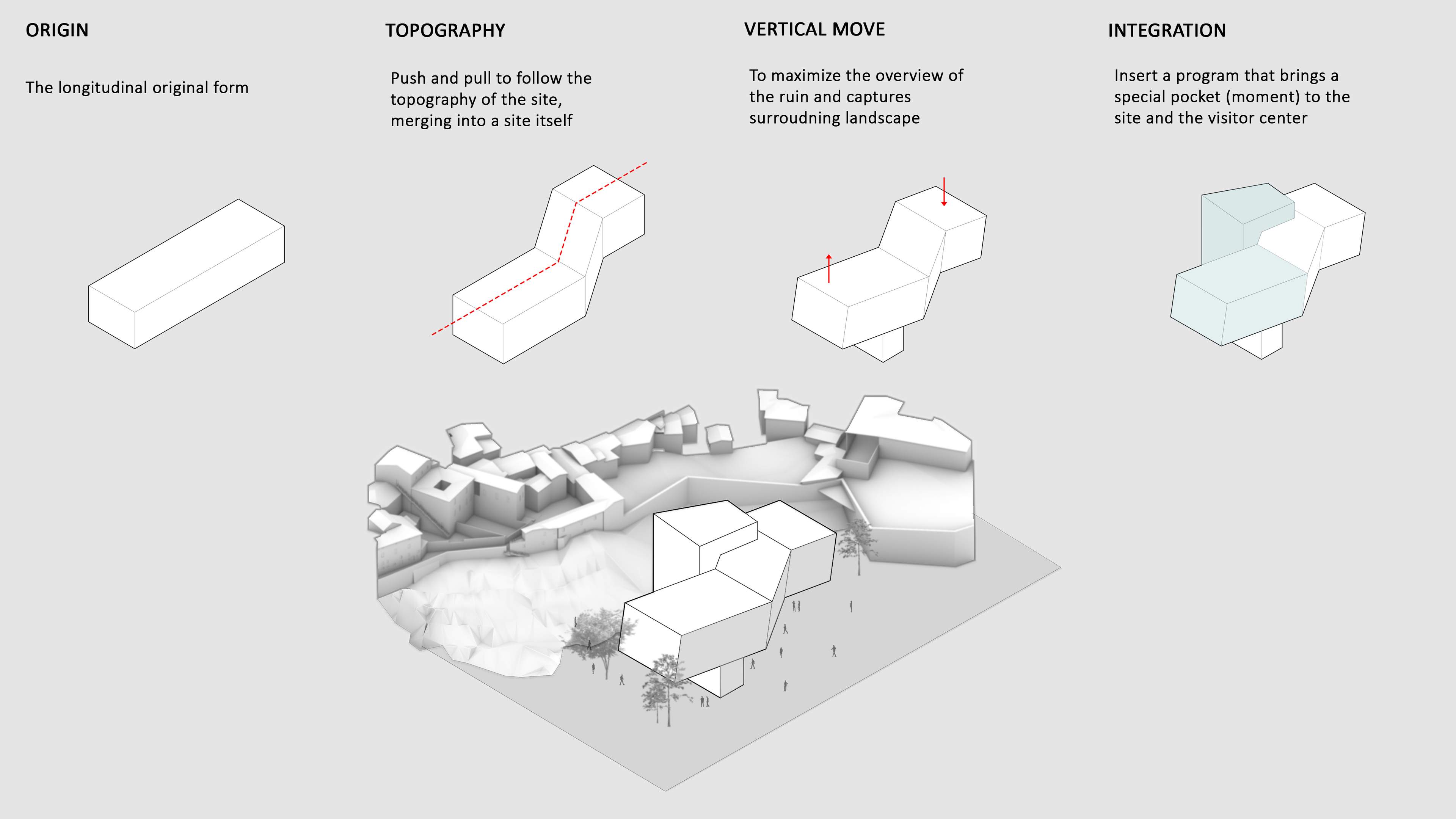
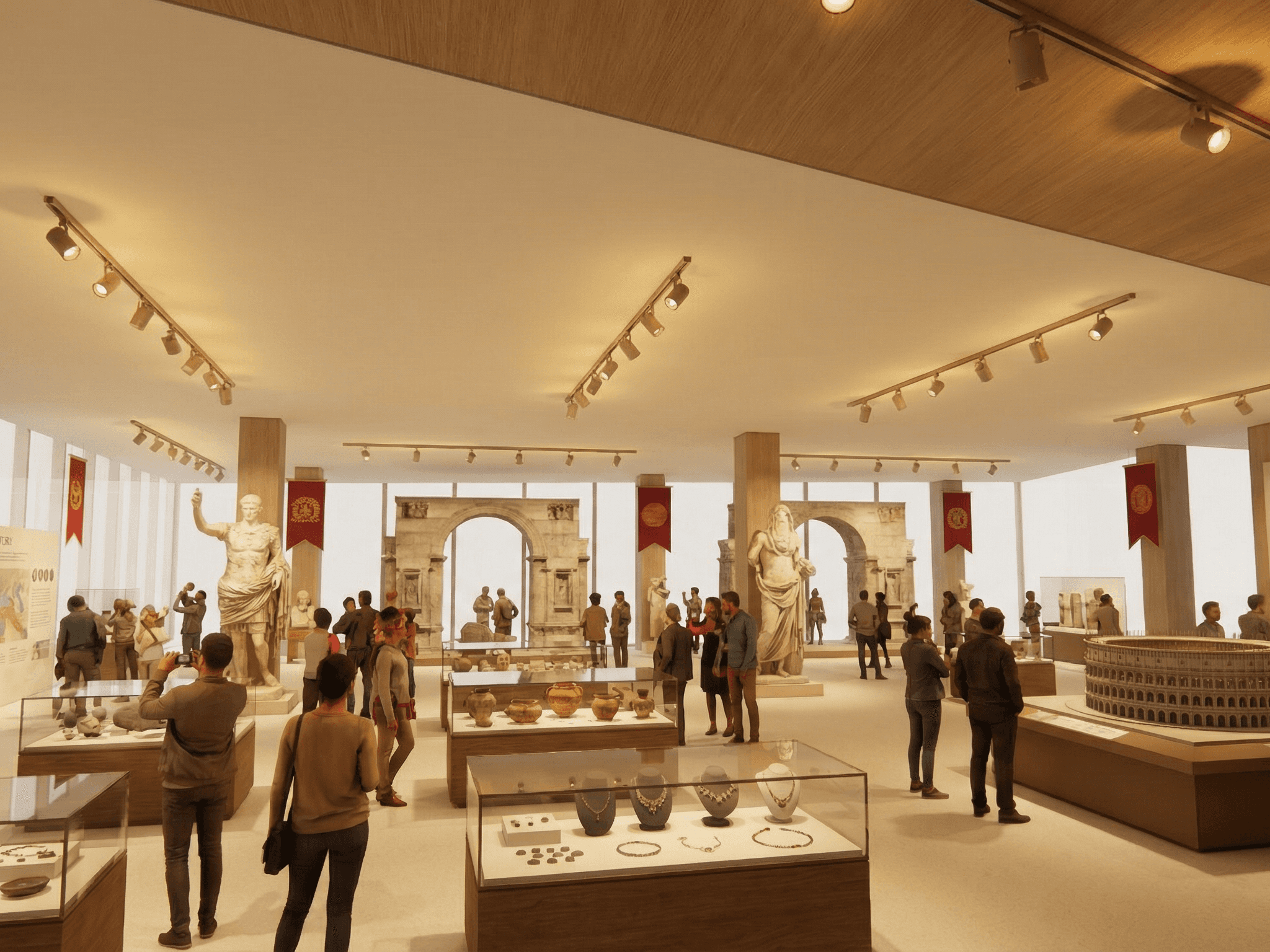
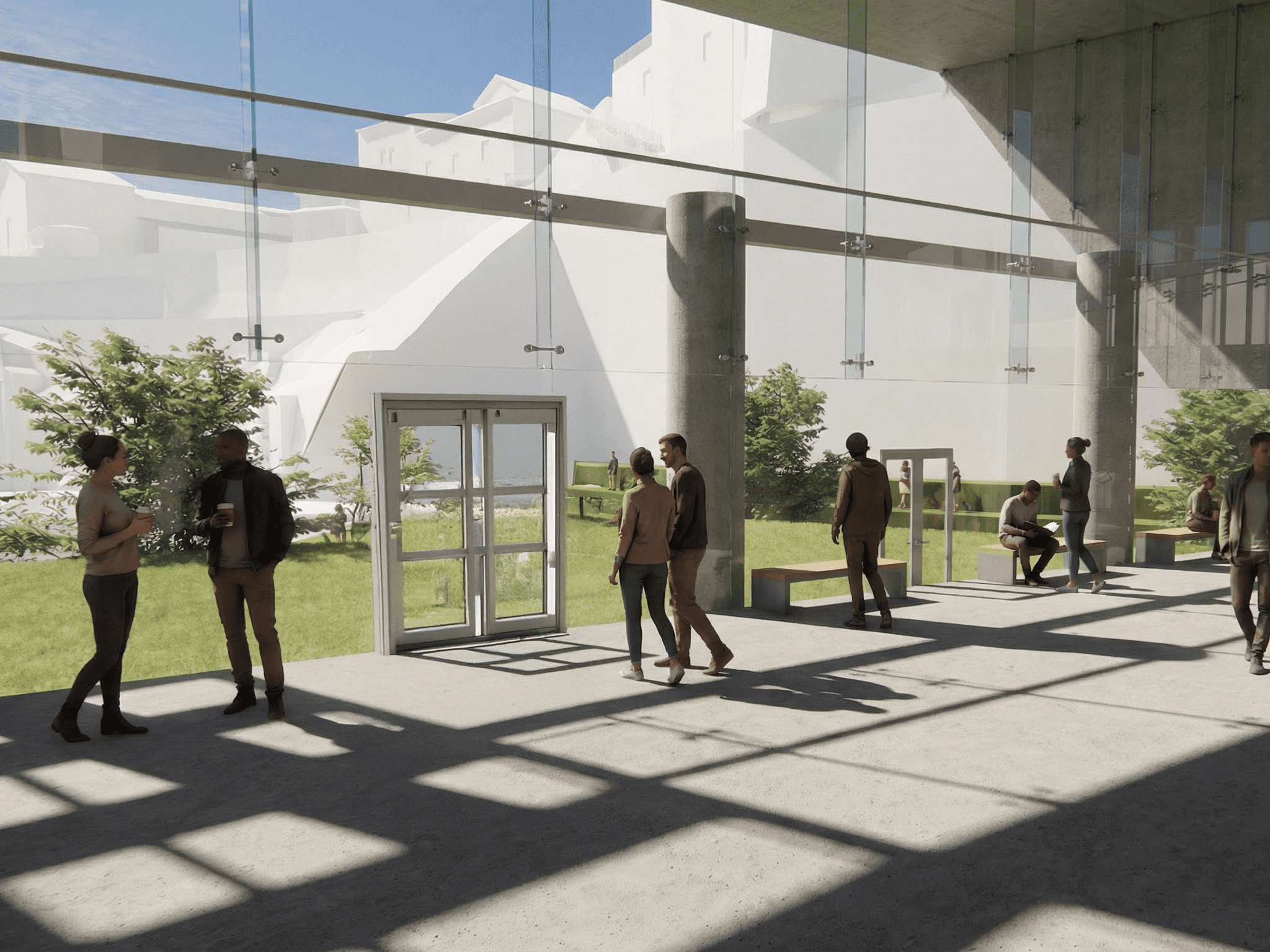
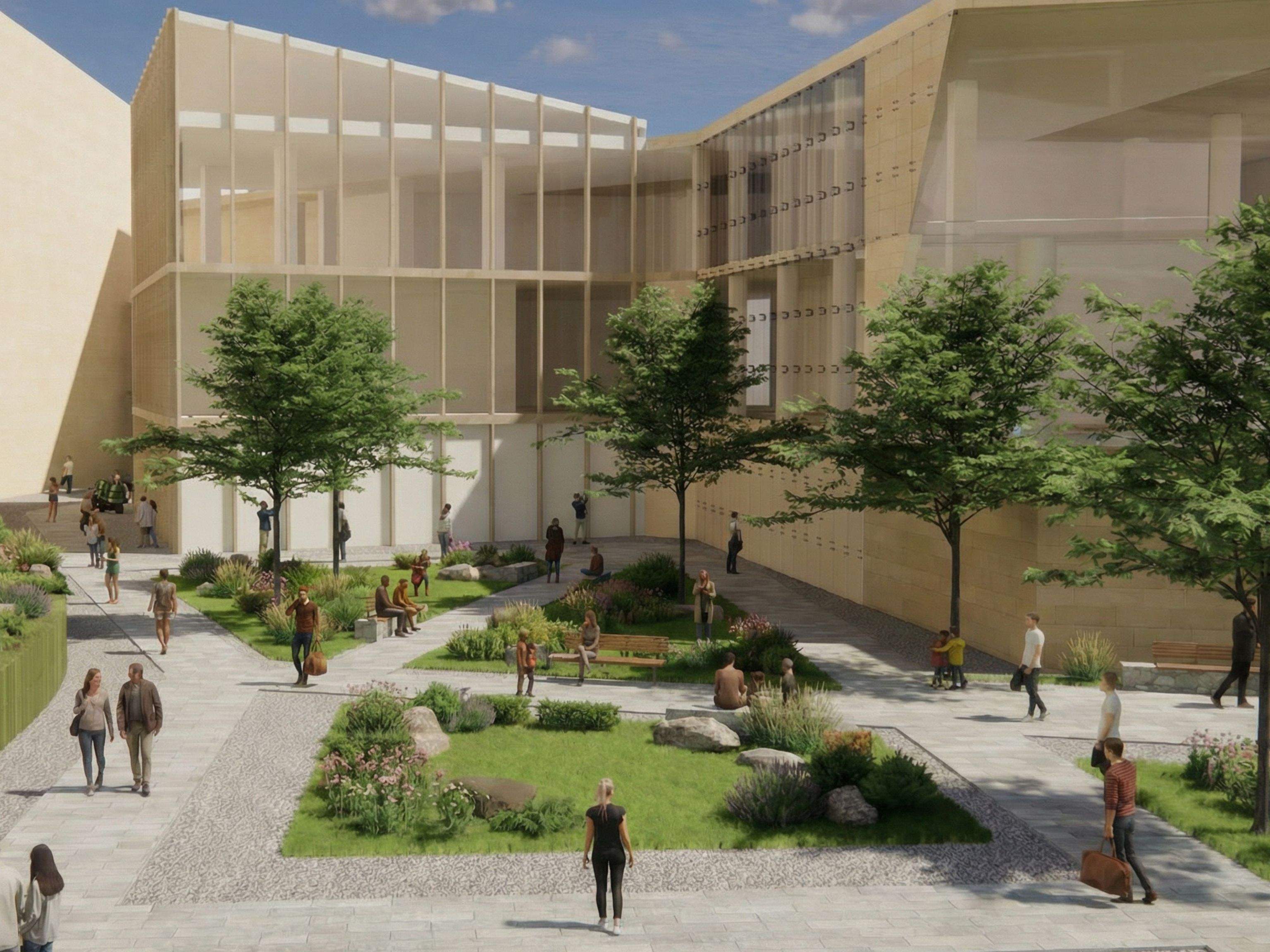
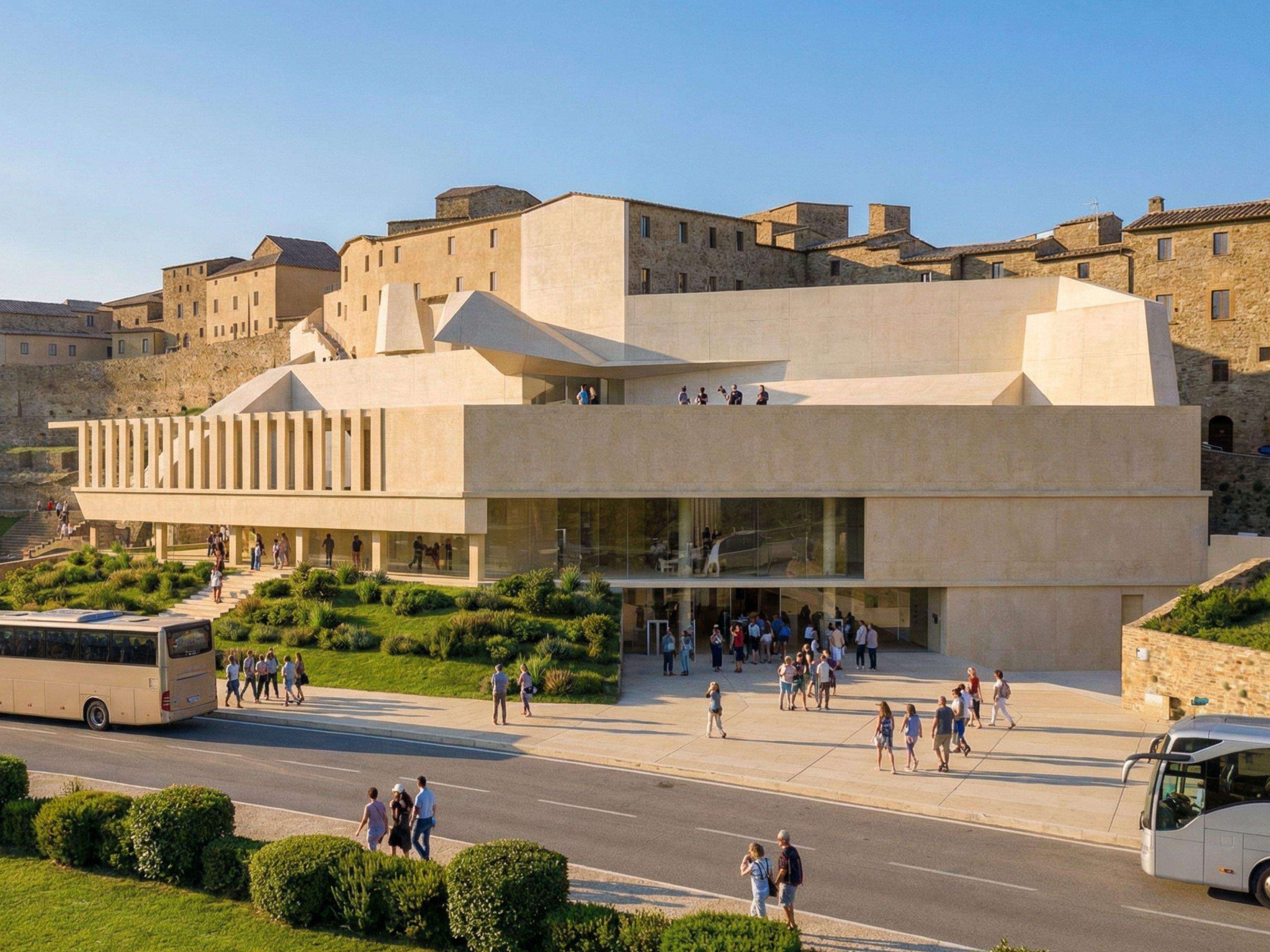
Historical Threshold proposes a visitor center that acts as a transitional space between contemporary Volterra and its archaeological past. Rather than treating the Roman Theater as an isolated artifact, the project reconnects fragmented historical layers by embedding the building into the site's topography and choreographing a sequence of spaces that gradually reveal the ruins.
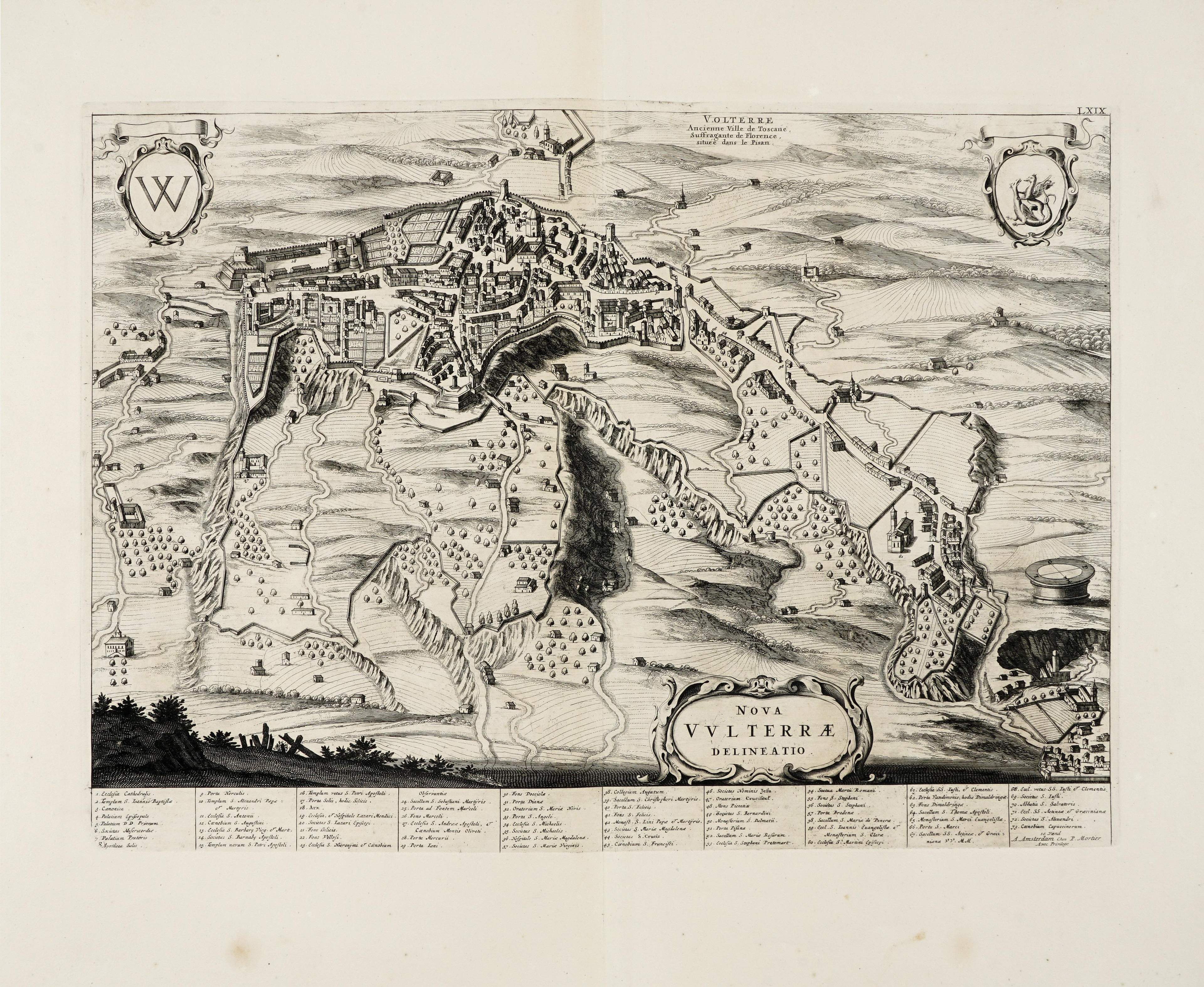
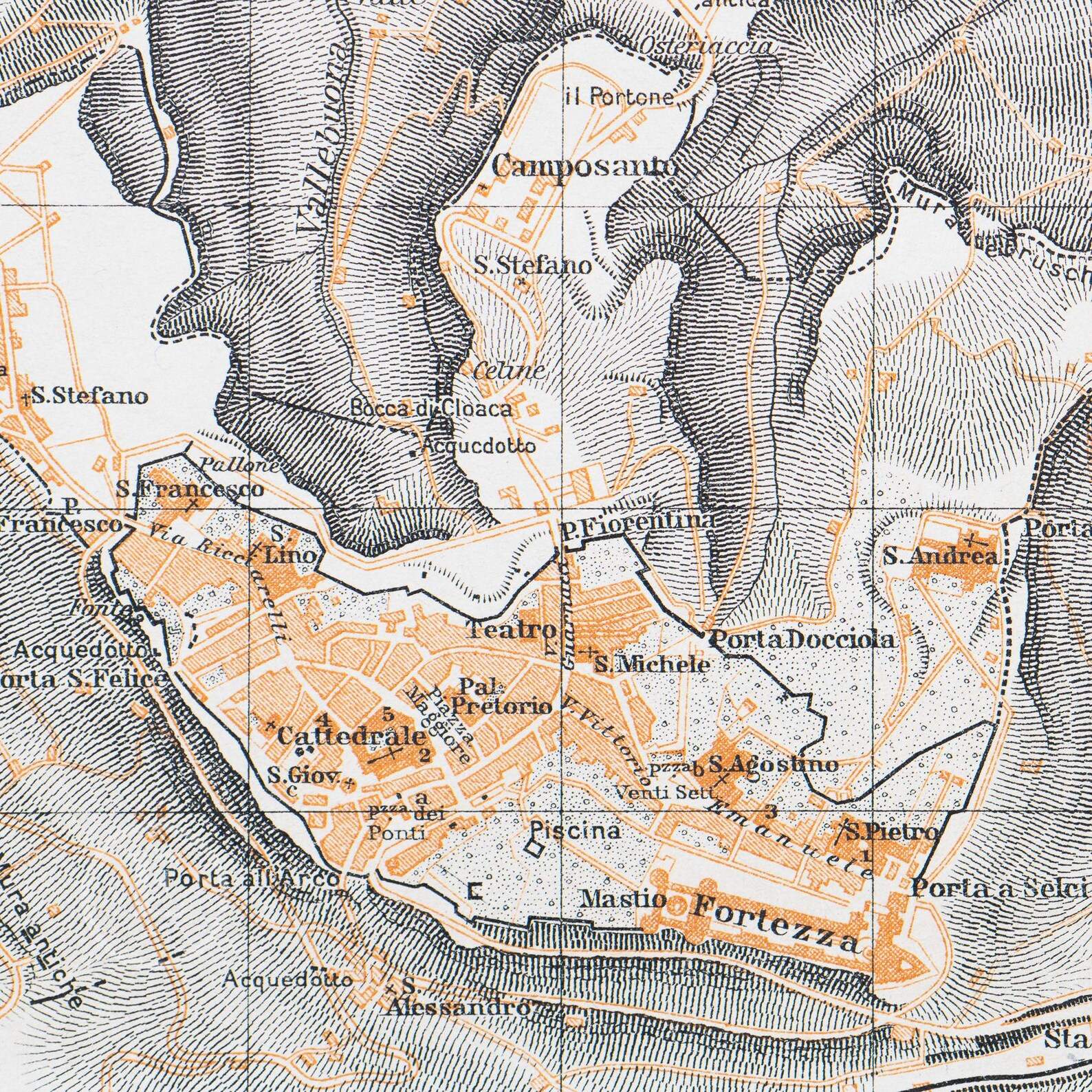
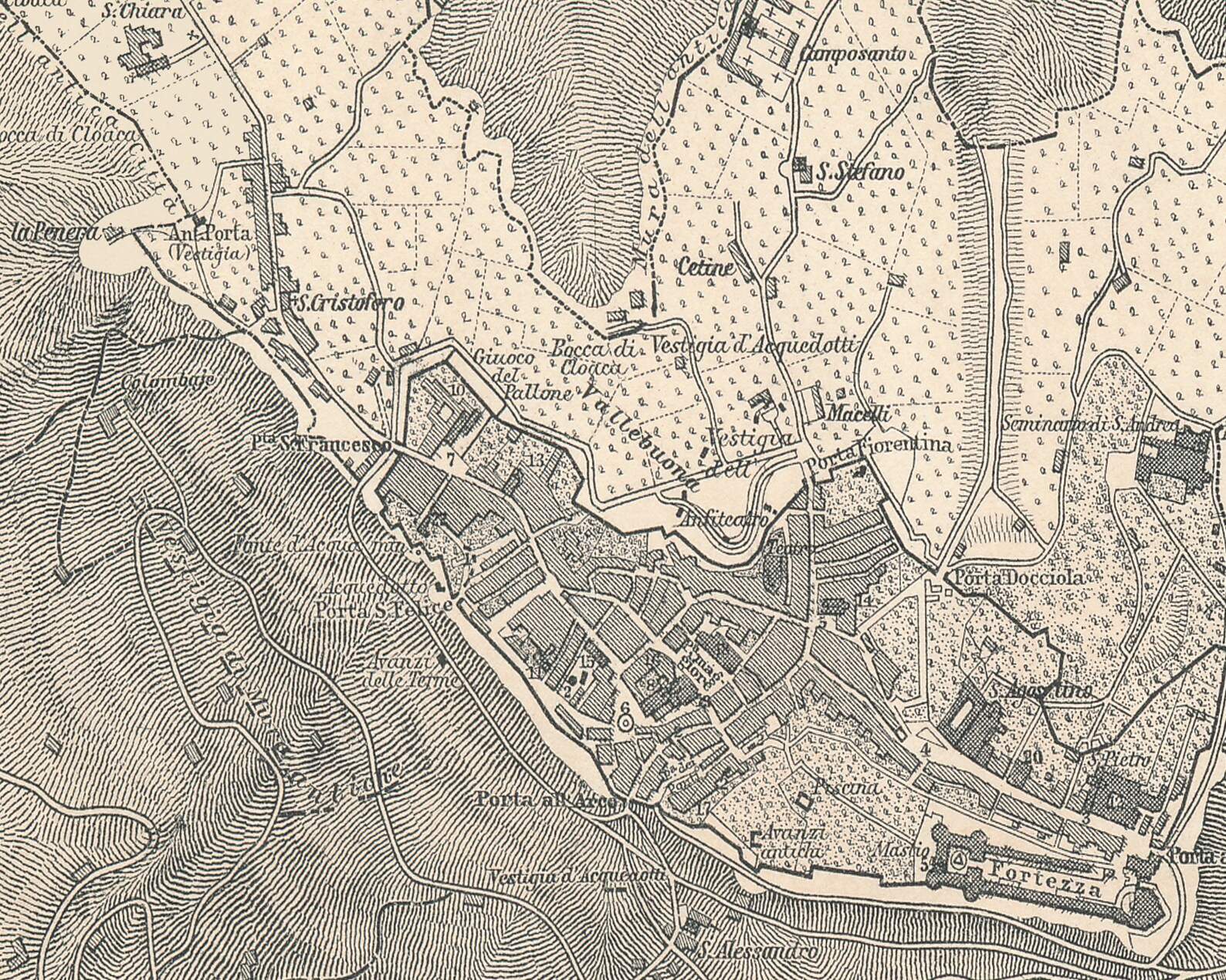
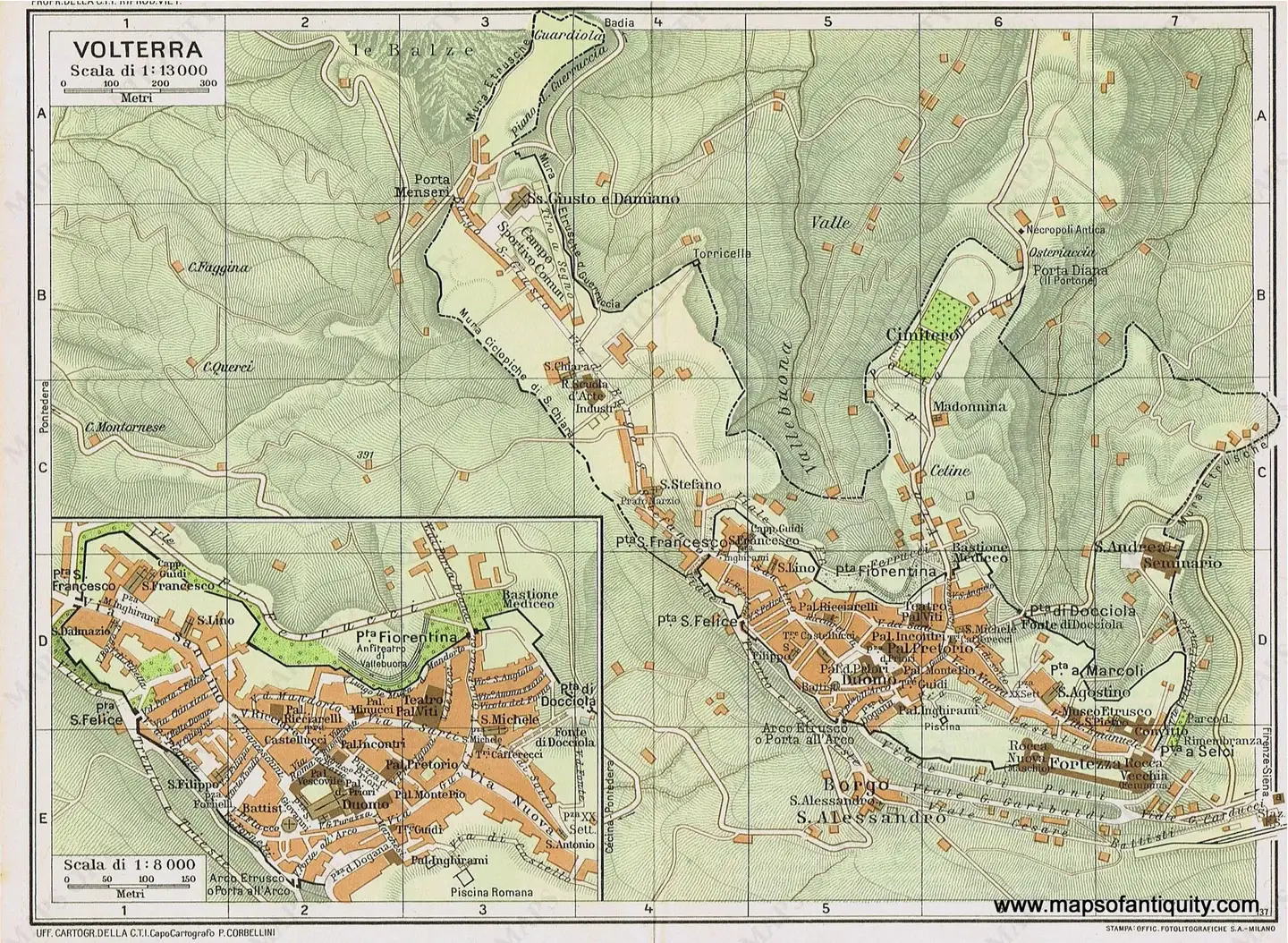
The site sits at the intersection of several historical periods, where Roman ruins, medieval walls, and the contemporary city overlap. The steep terrain creates a physical and visual separation between the urban fabric above and the archaeological landscape below.
Opportunities
Strong visual connection toward Roman Theater
Significant topographic change
Historical layers coexist on site
Opportunity to reconnect city circulation with archaeological remains
Design Challenge
Create a visitor center that becomes a transition rather than an object, allowing visitors to experience Volterra's historical evolution through movement.
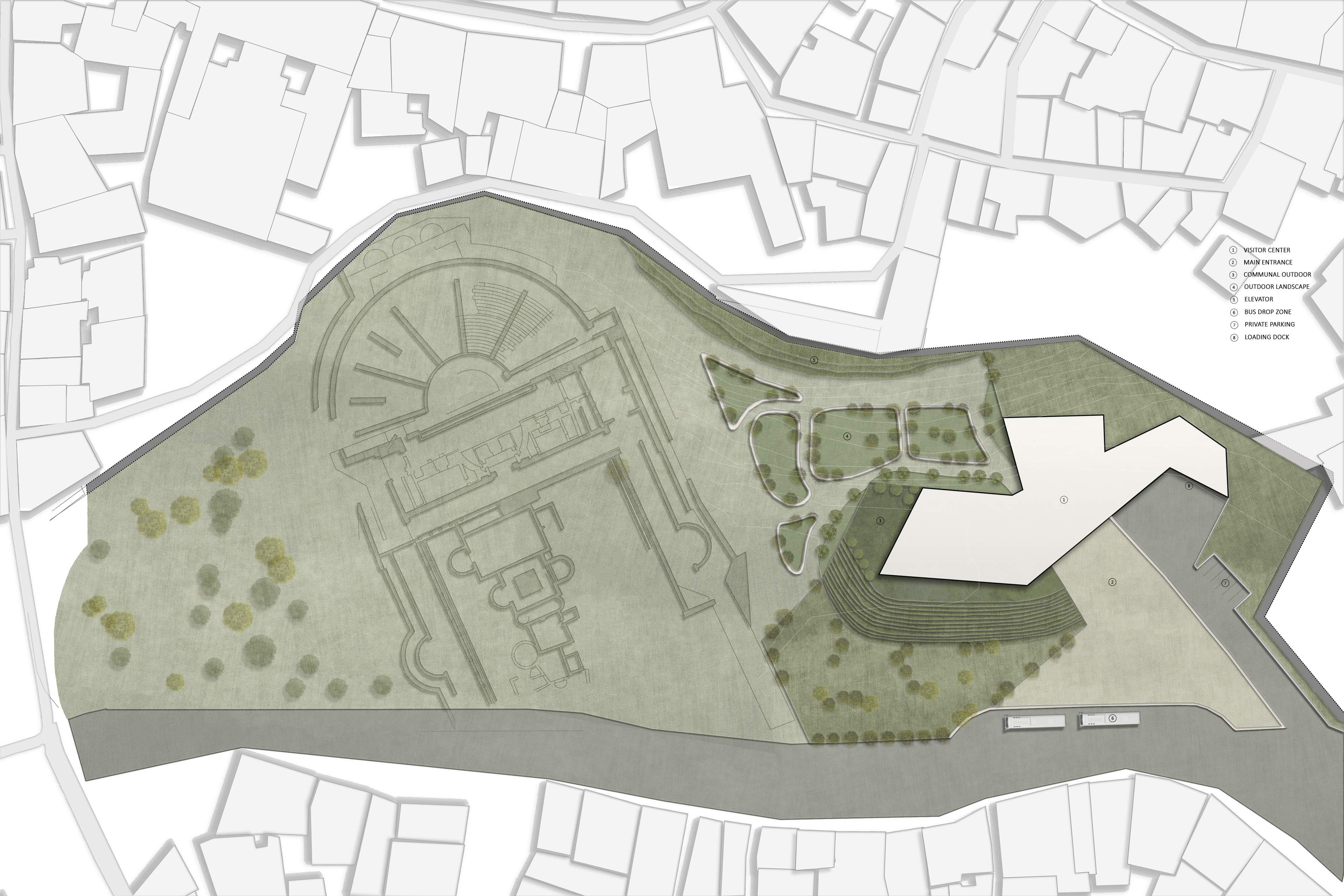
Site Plan
The central idea is that architecture becomes a threshold between different historical periods rather than a destination itself.
Visitors experience a gradual transition: City - Visitor Center - Historical Interpretation - Roman Theater - Landscape
Movement through the building mirrors movement through time.
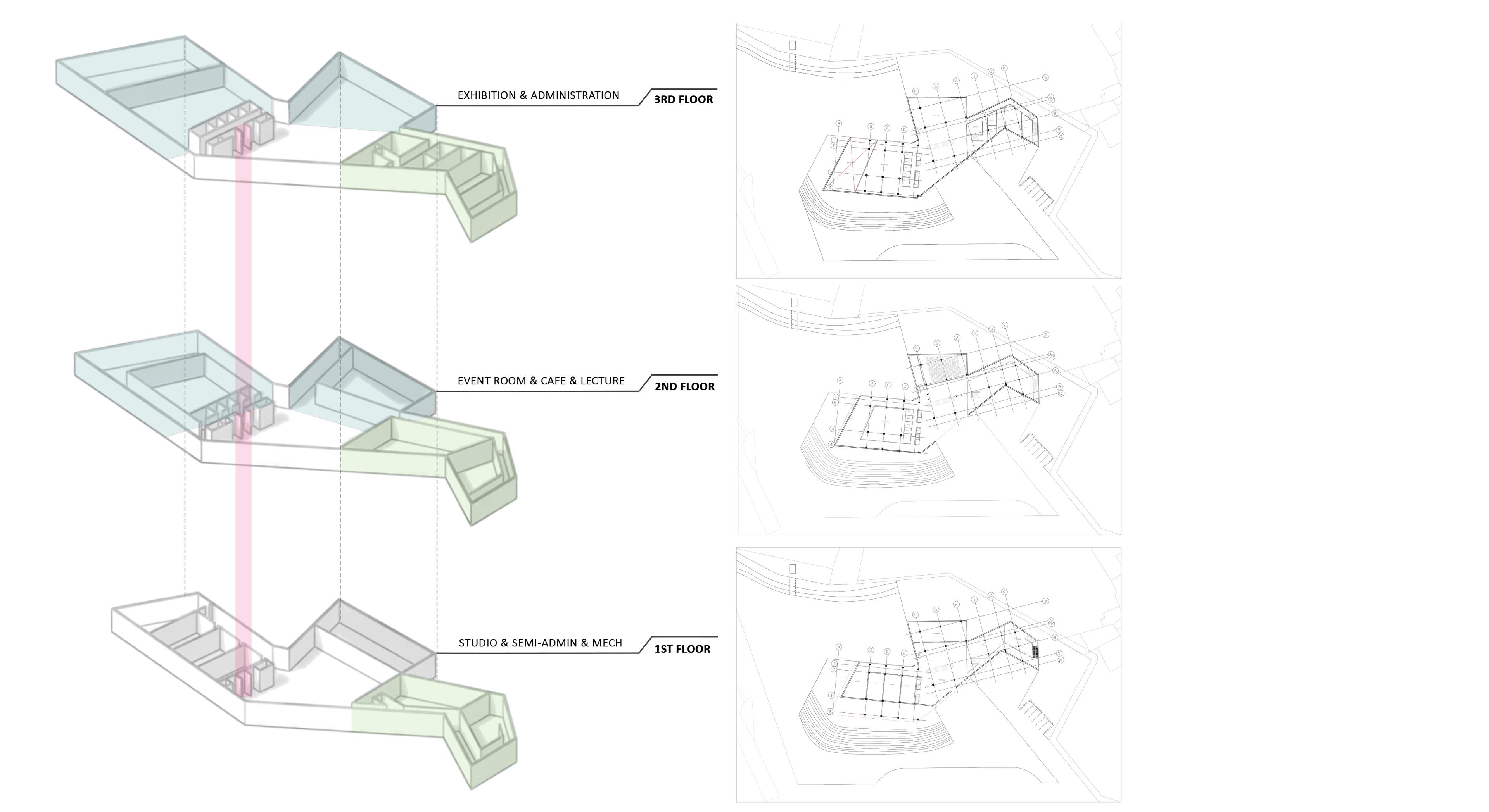
Horizontal Circulation
A continuous path guides visitors across the building while maintaining visual connections to the surrounding ruins.
The angled geometry constantly redirects views toward significant historical landmarks.
Vertical Circulation
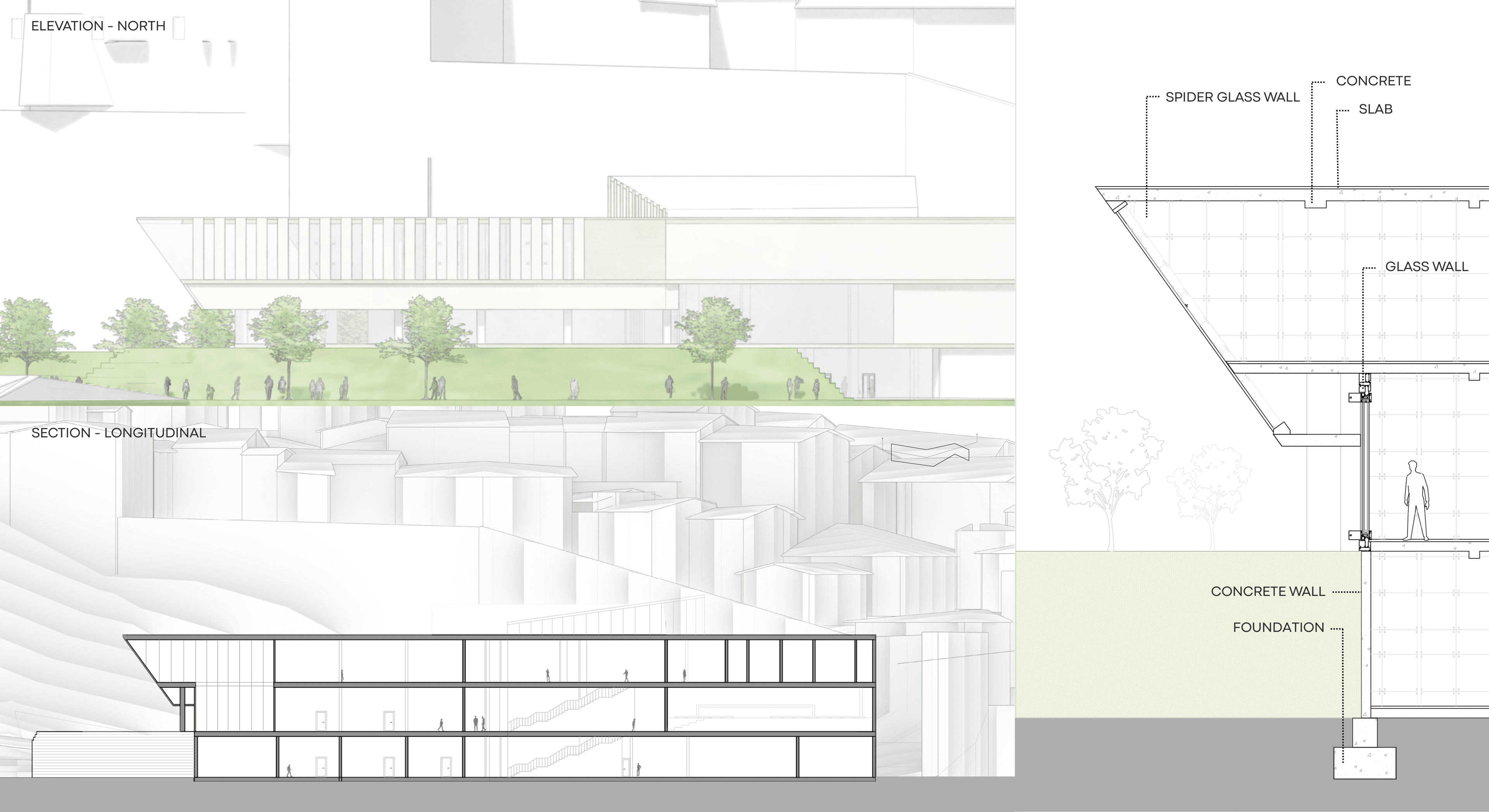
The central stair becomes the project's organizing element.
It connects all three floors while creating a sequence of framed views and spatial compression before opening toward larger exhibition spaces.
Moment Space
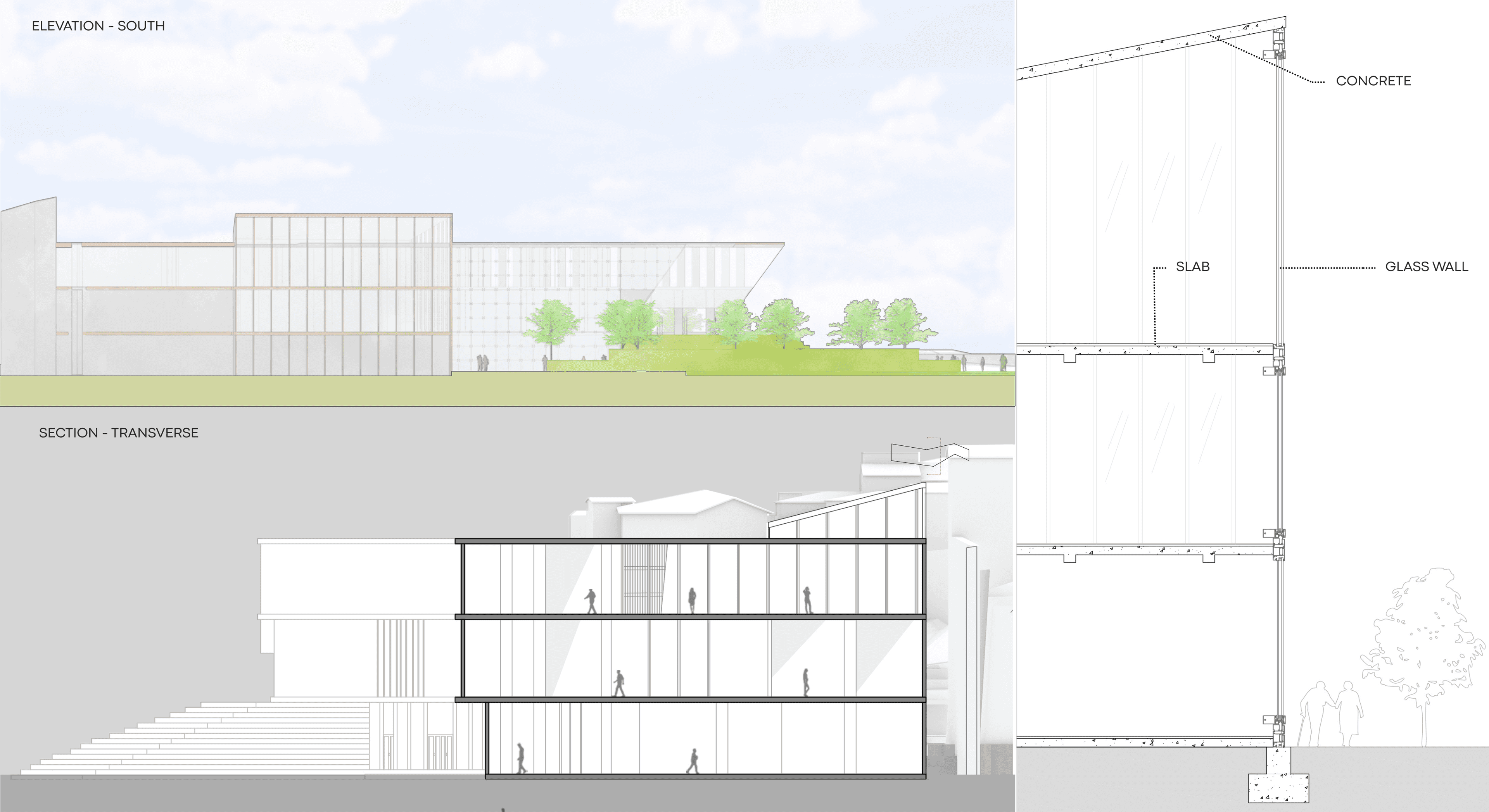
The vertical atrium acts as the project's experiential core.
Natural light enters through this space, visually connecting every level while emphasizing movement between history, landscape, and architecture.
Detail Specification
Rendering
Results
Historical Threshold reinterprets Volterra's archaeological landscape through architecture that follows the site's topography, frames historical views, and choreographs visitors through a continuous journey between the contemporary city and its ancient past.