Relocate/Redesign Maternity building in Gabon
Project overview
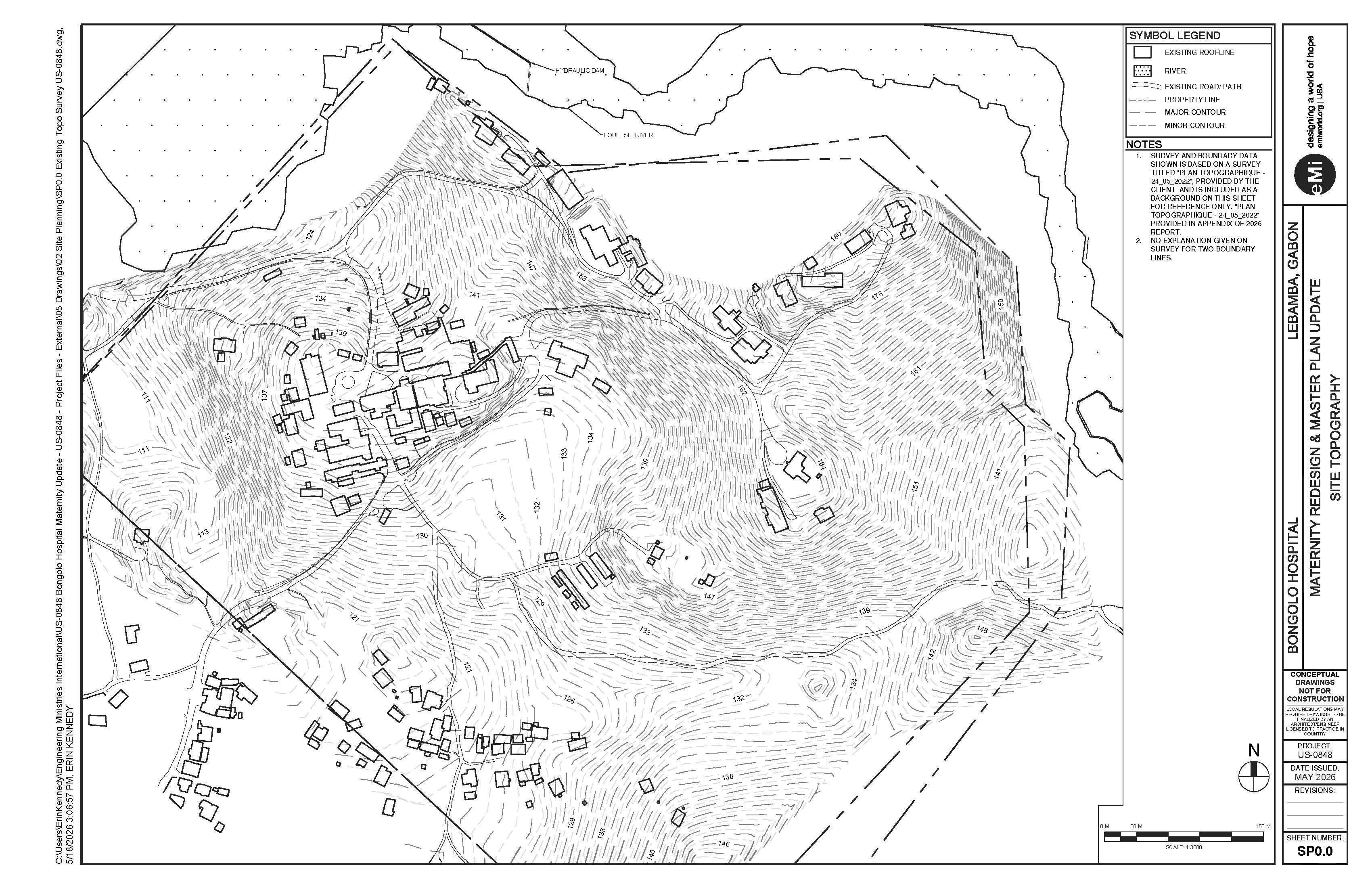
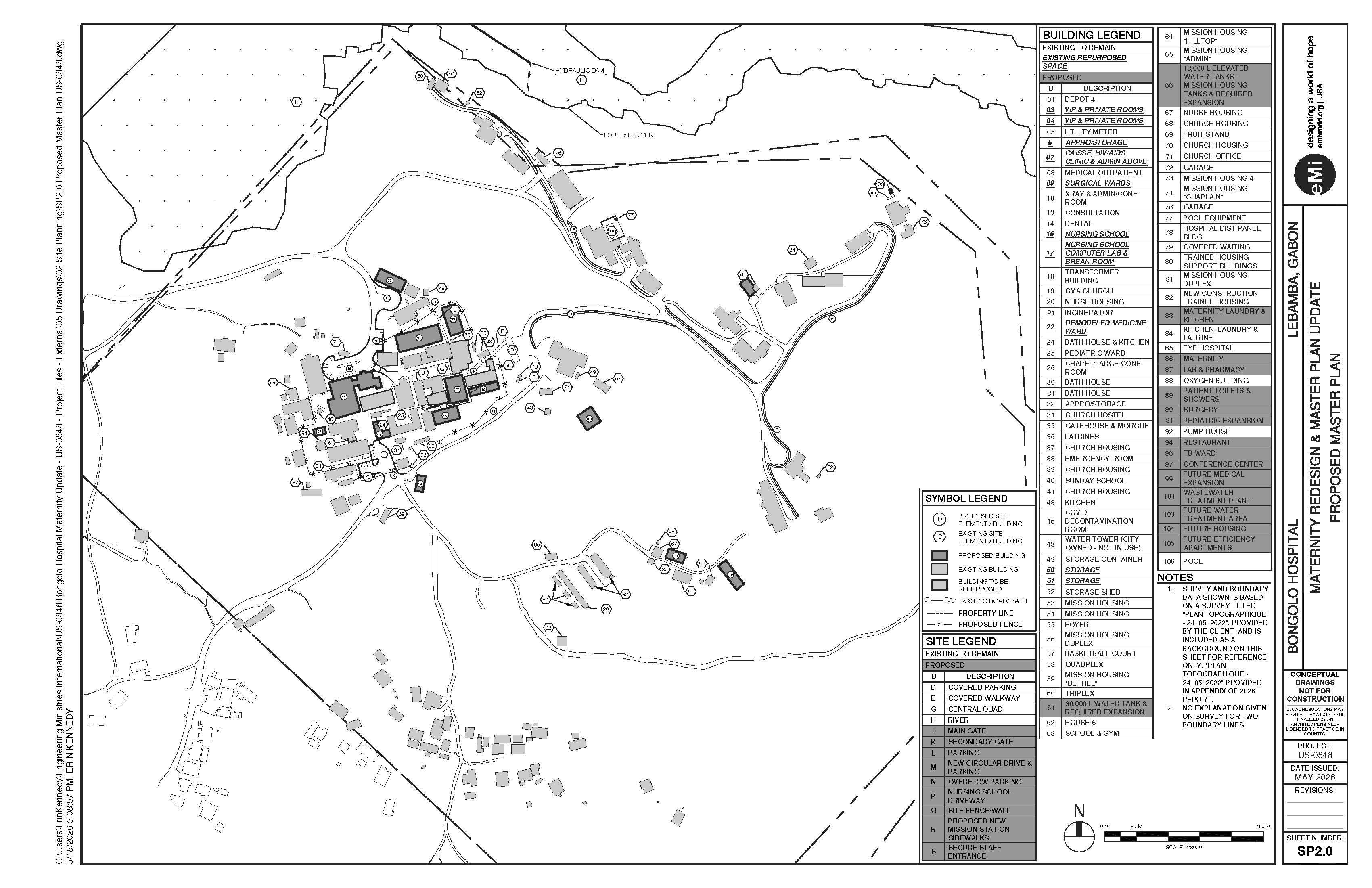
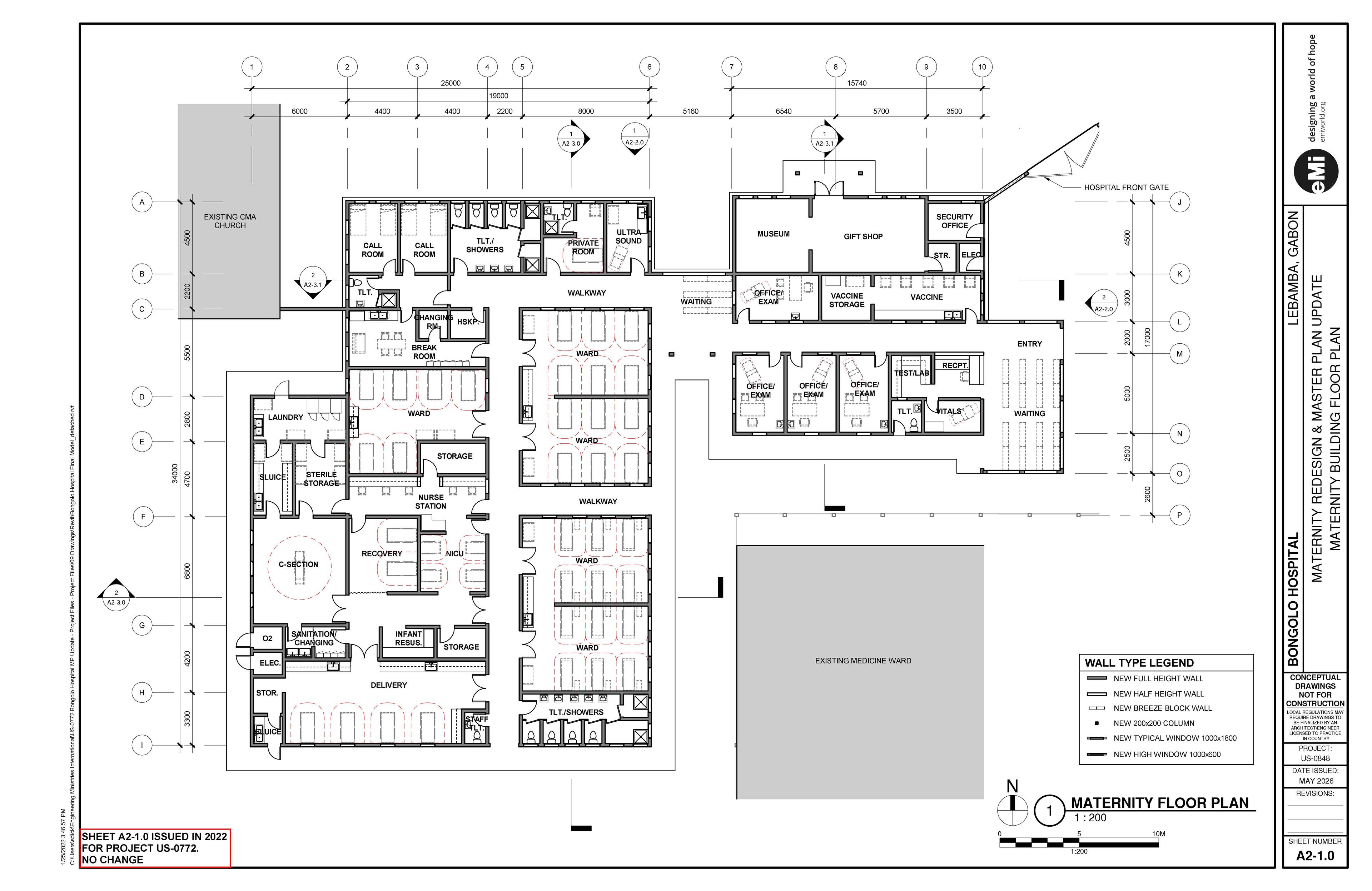
EMI evaluated alternative locations for the new maternity building after the site identified in the 2022 master plan—adjacent to the existing church on the northwest side of campus—was deemed unsuitable by church leadership. Concerns included noise during services and a desire to preserve a historically significant structure on the site. The 2026 team assessed several alternatives, including the possibility of developing a new campus to the south. However, after further analysis, EMI advised the church and hospital board that the area where the church was located remained the most practical and cost-effective option for expansion. Following review of these options, the church and hospital board decided in March 2026 to proceed with the 2022 plan and locate the maternity building adjacent to the church.
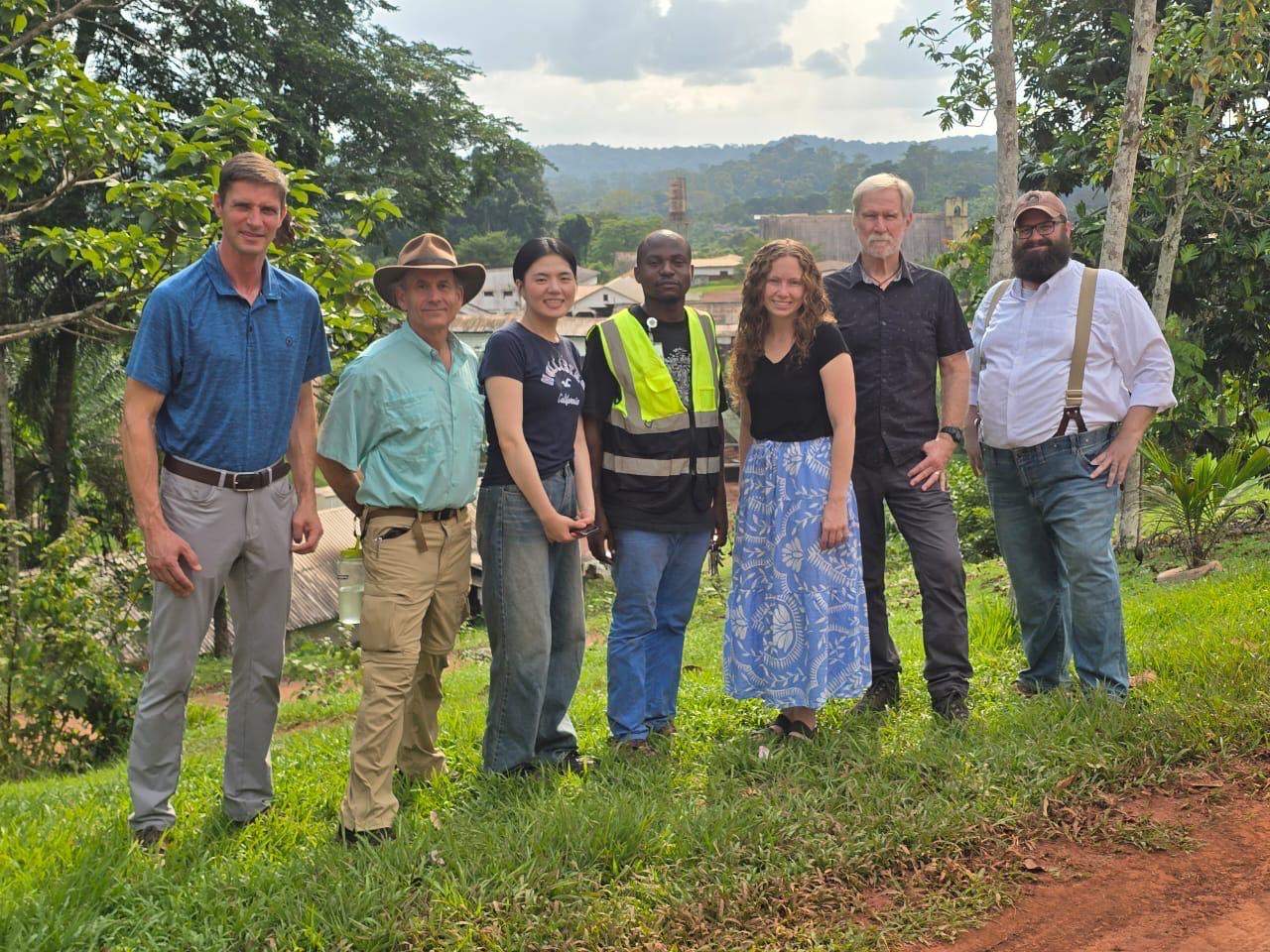
Team Member
Andy Engebretson | CO, USA | Team Leader, EMI Staff |
Todd St. John | NC, USA | Civil Engineer |
Eva Jin | CO, USA | Architecture EMI Intern |
Mavouroulou | Gabon | Bongolo Hospital Staff |
Erin Kennedy | CO, USA | Civil Engineering Fellow |
Bill Tatom | AK, USA | Architect |
Nate Kenney | MD, USA | Electrical Engineer |
Site Photo
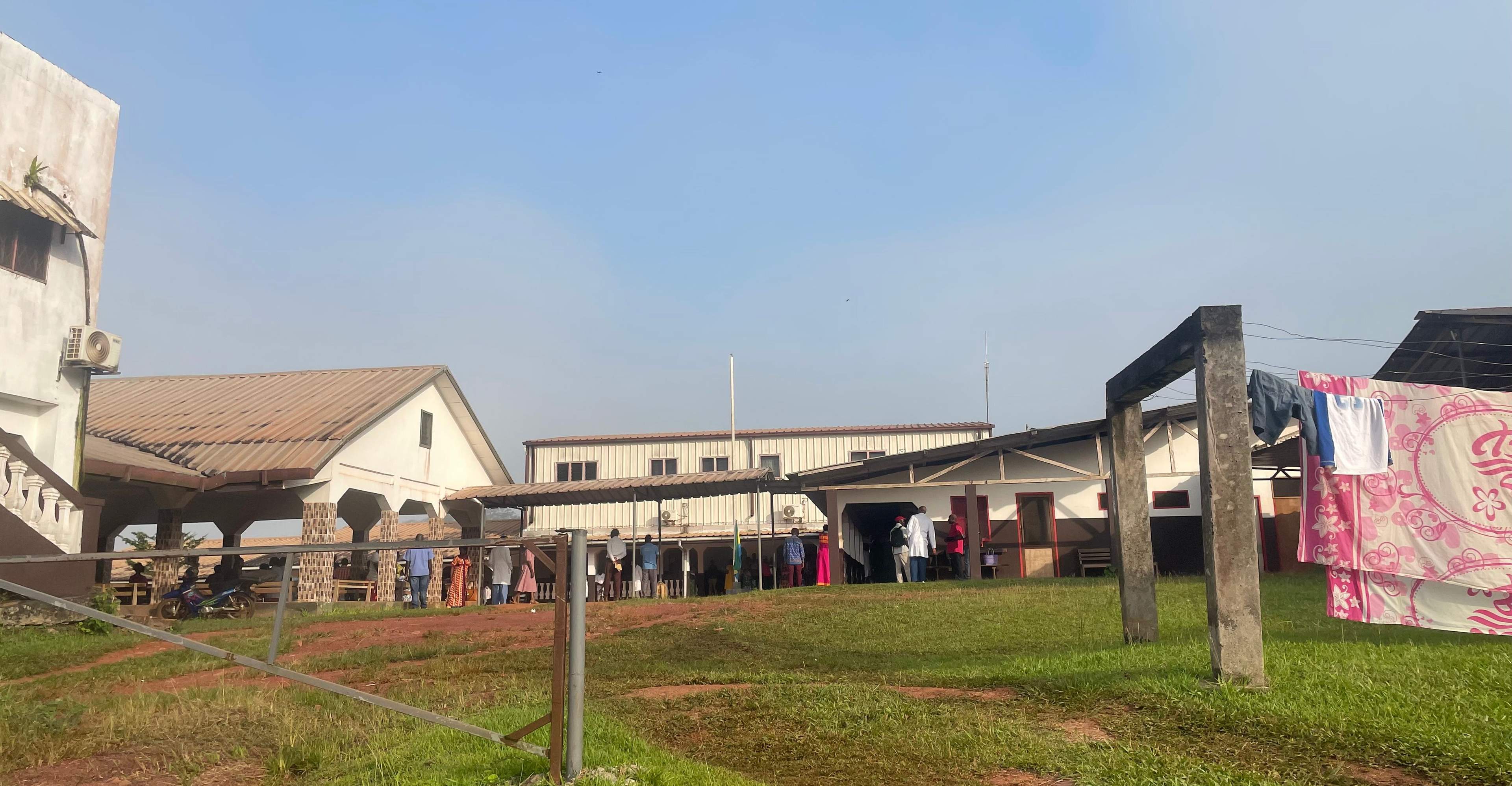
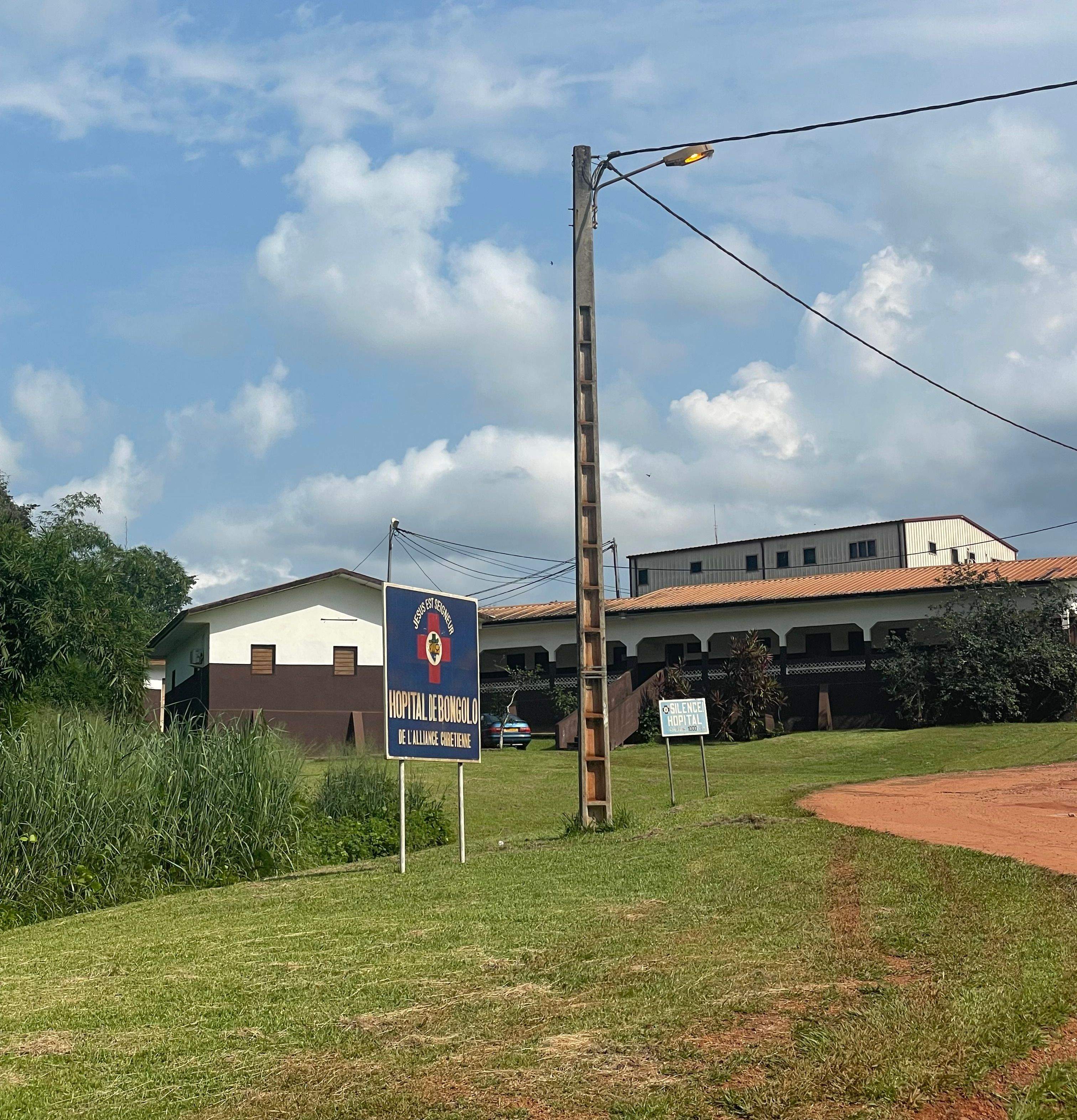
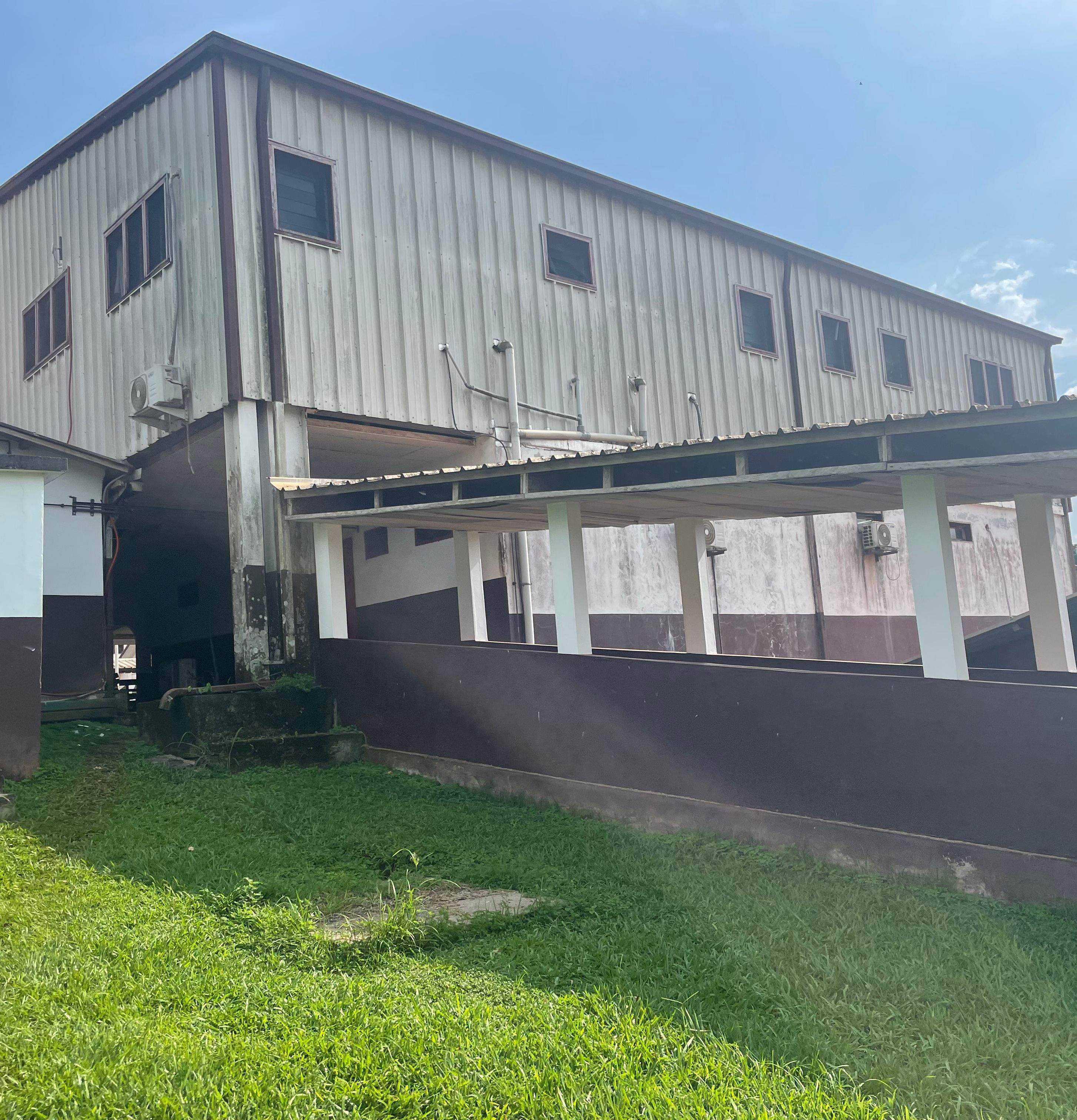
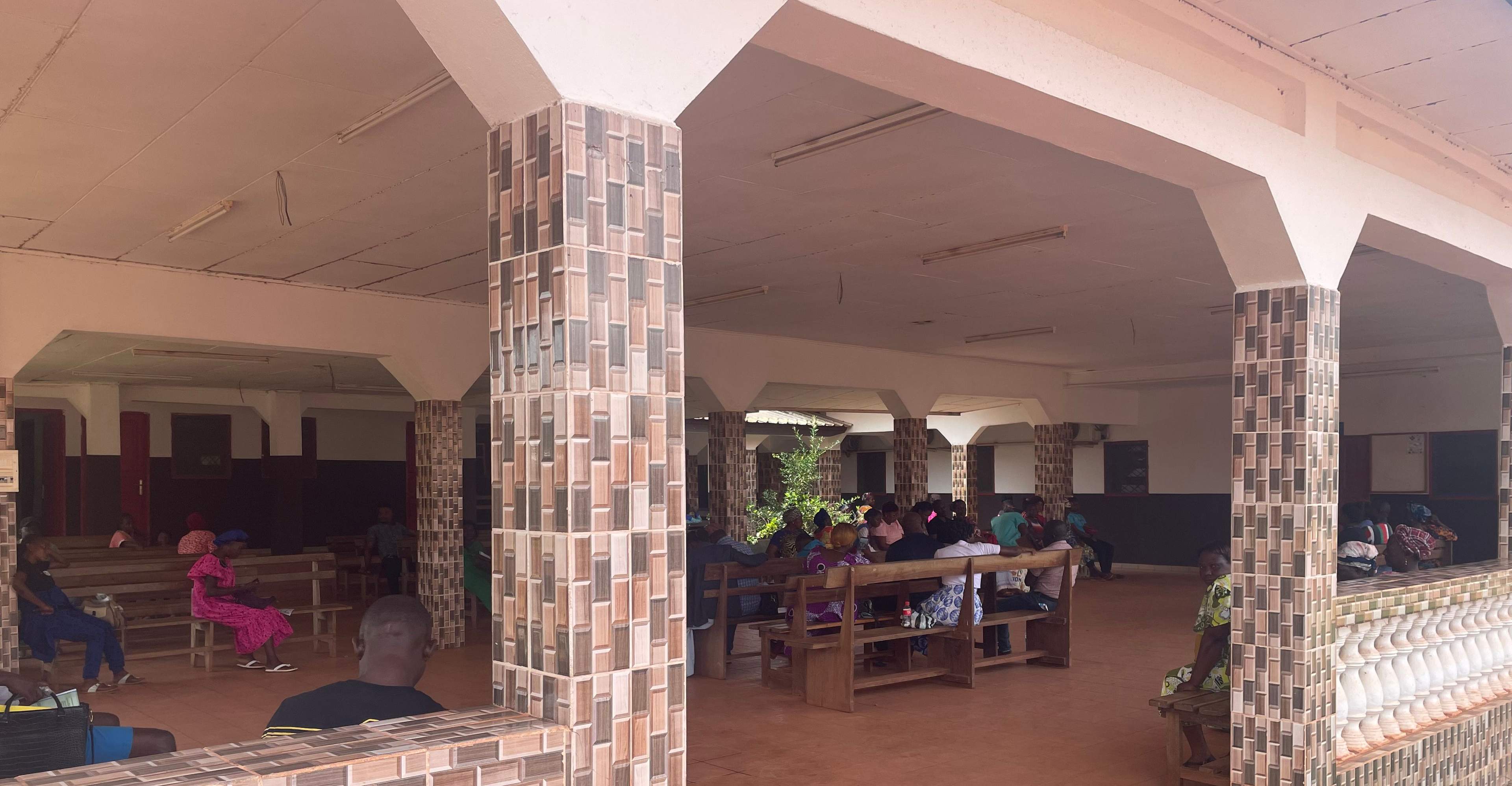
Bongolo Site Planning
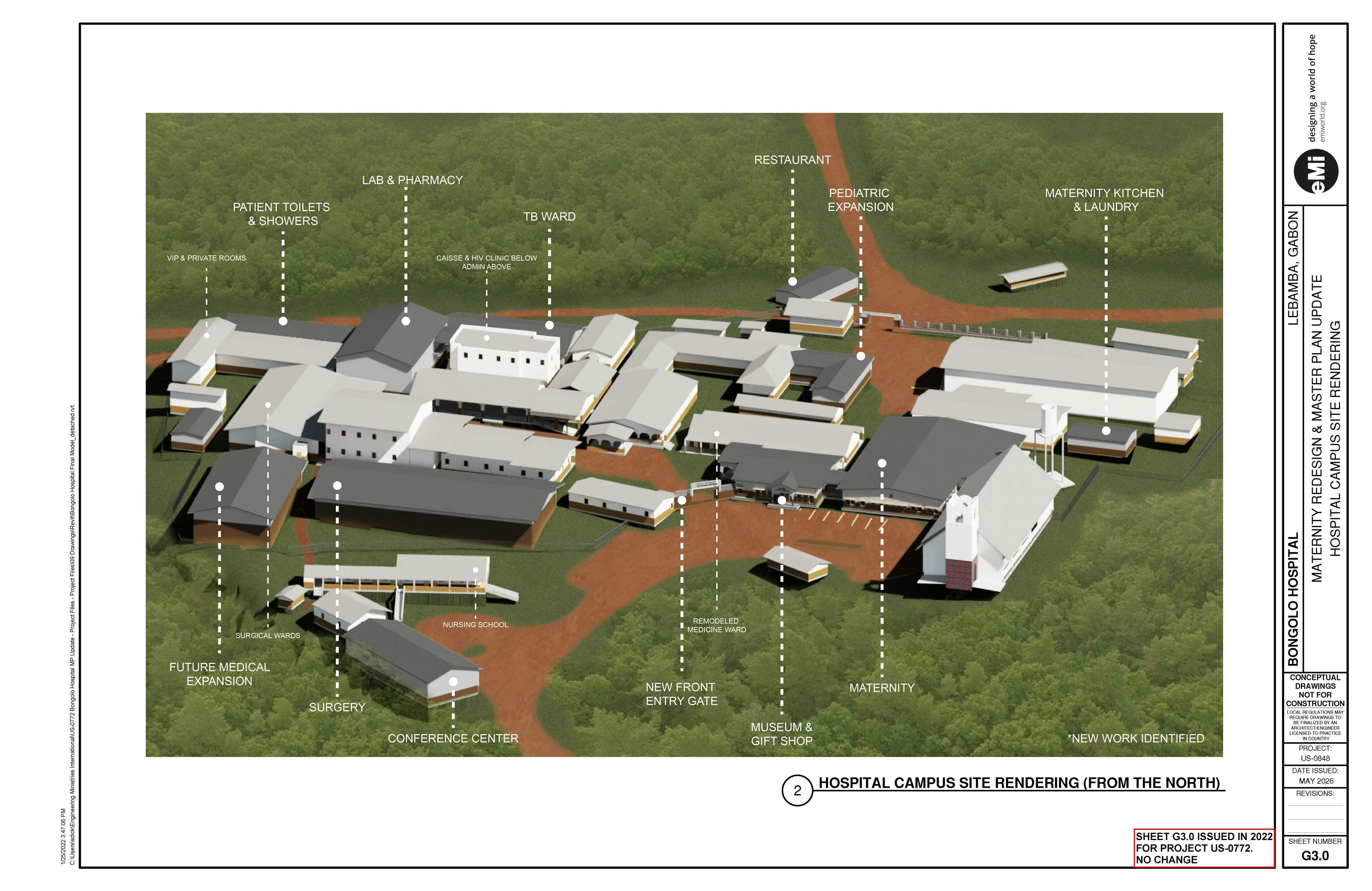
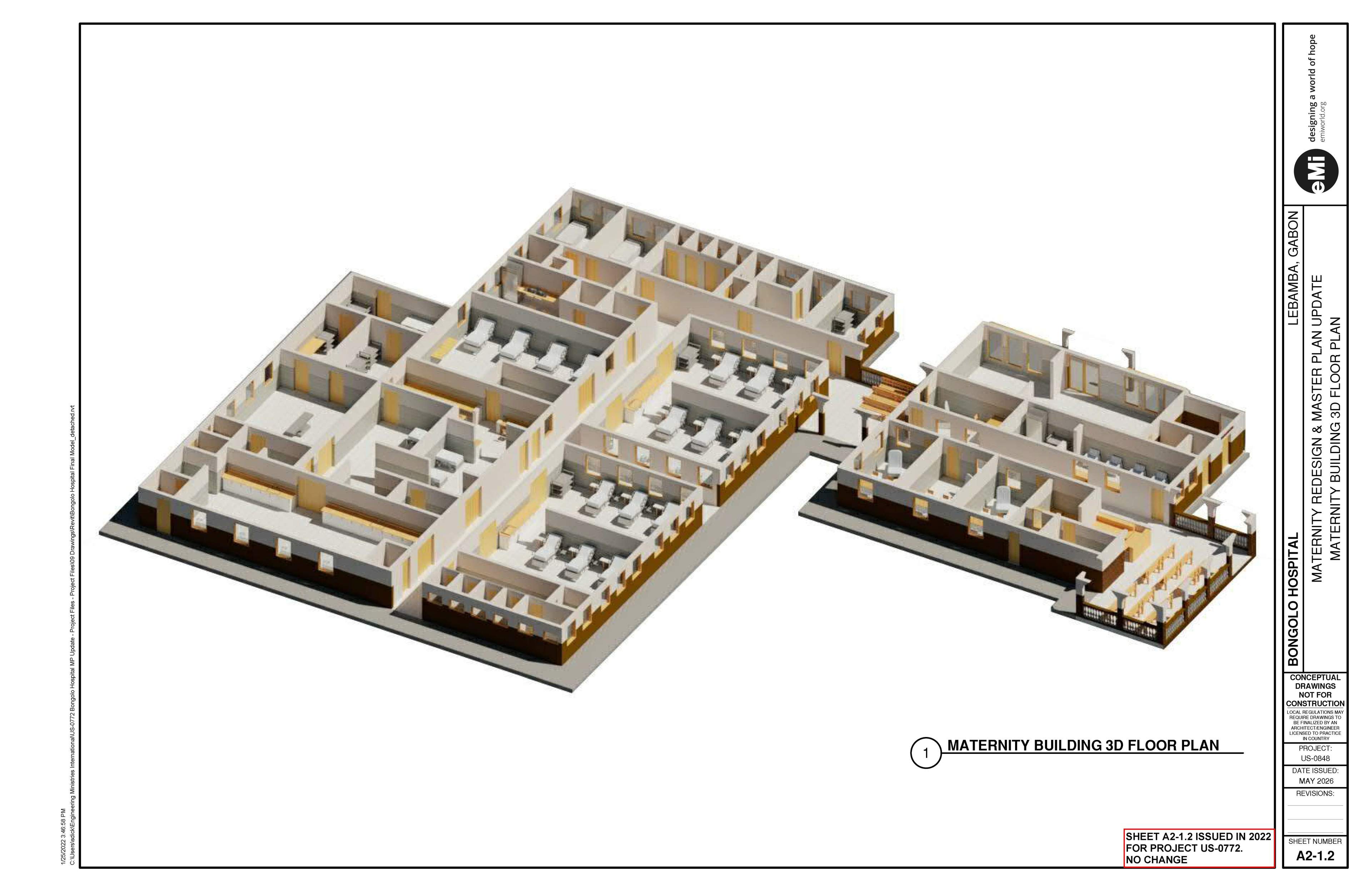
Current Bongolo Hospital - Axon View
Maternity Redesign Floor Plan
Current Maternity Existing
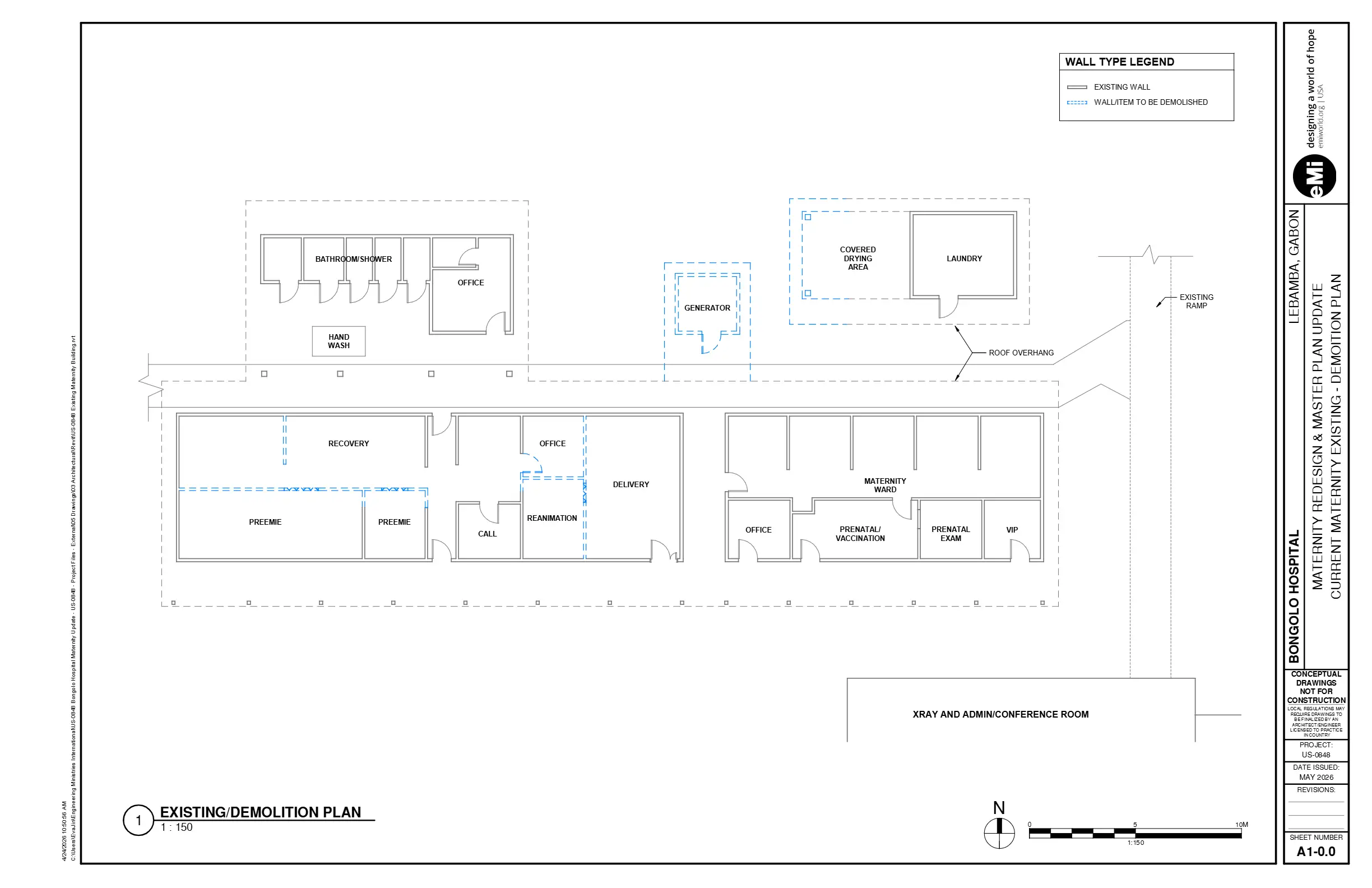
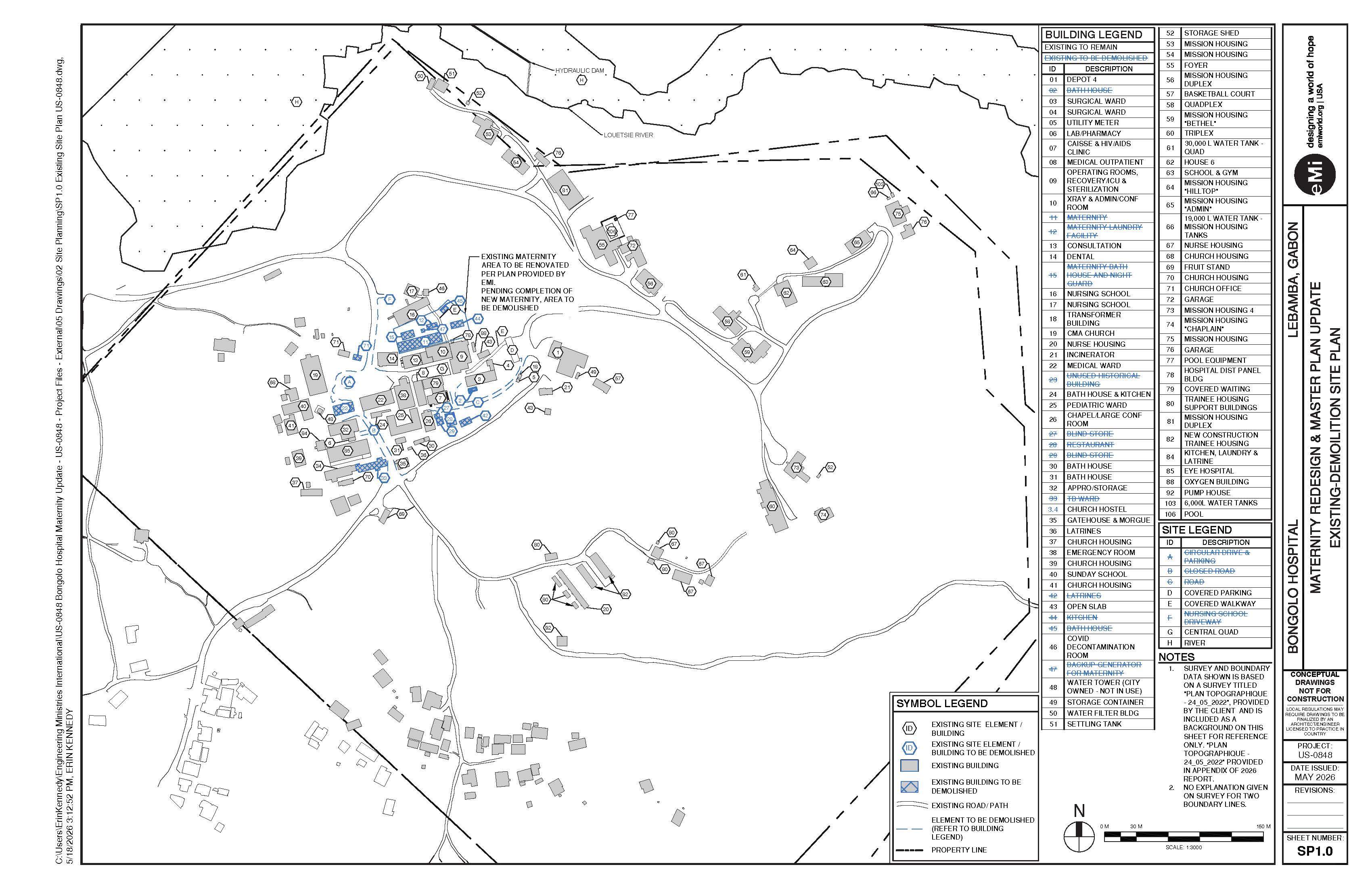
Existing/Demo
To support continued maternity services during phased campus development, the team proposed renovations to the existing facility by reorganizing key clinical spaces with minimal structural changes, improving workflow, patient care, and staff efficiency.
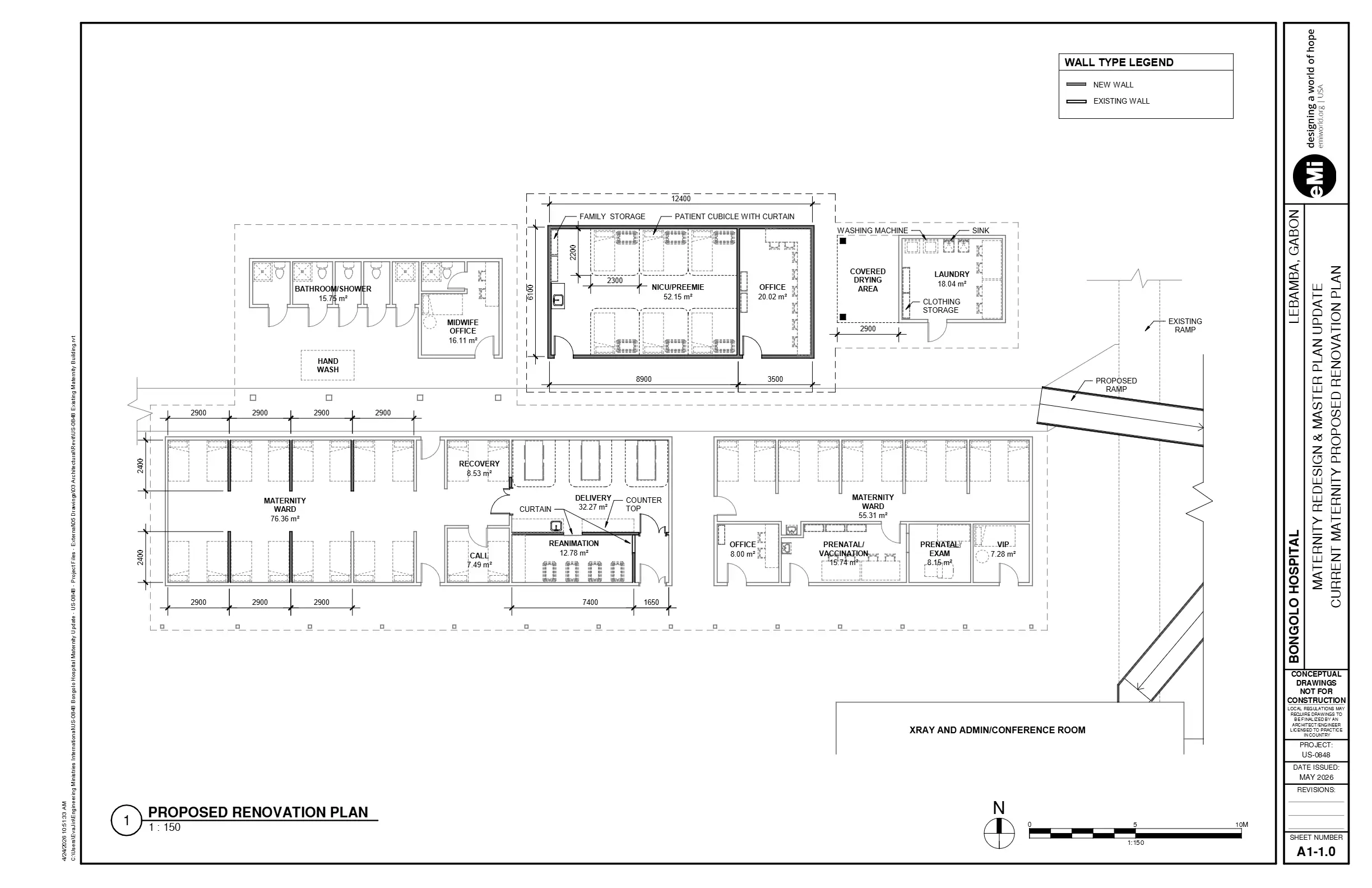
Renovation
The renovation recommends repairing Maternity building upgrading interior finishes, ventilation, plumbing, and electrical systems, evaluating the midwife's area for improved functionality, and reconfiguring the outdoor laundry drying area to accommodate the new NICU building.
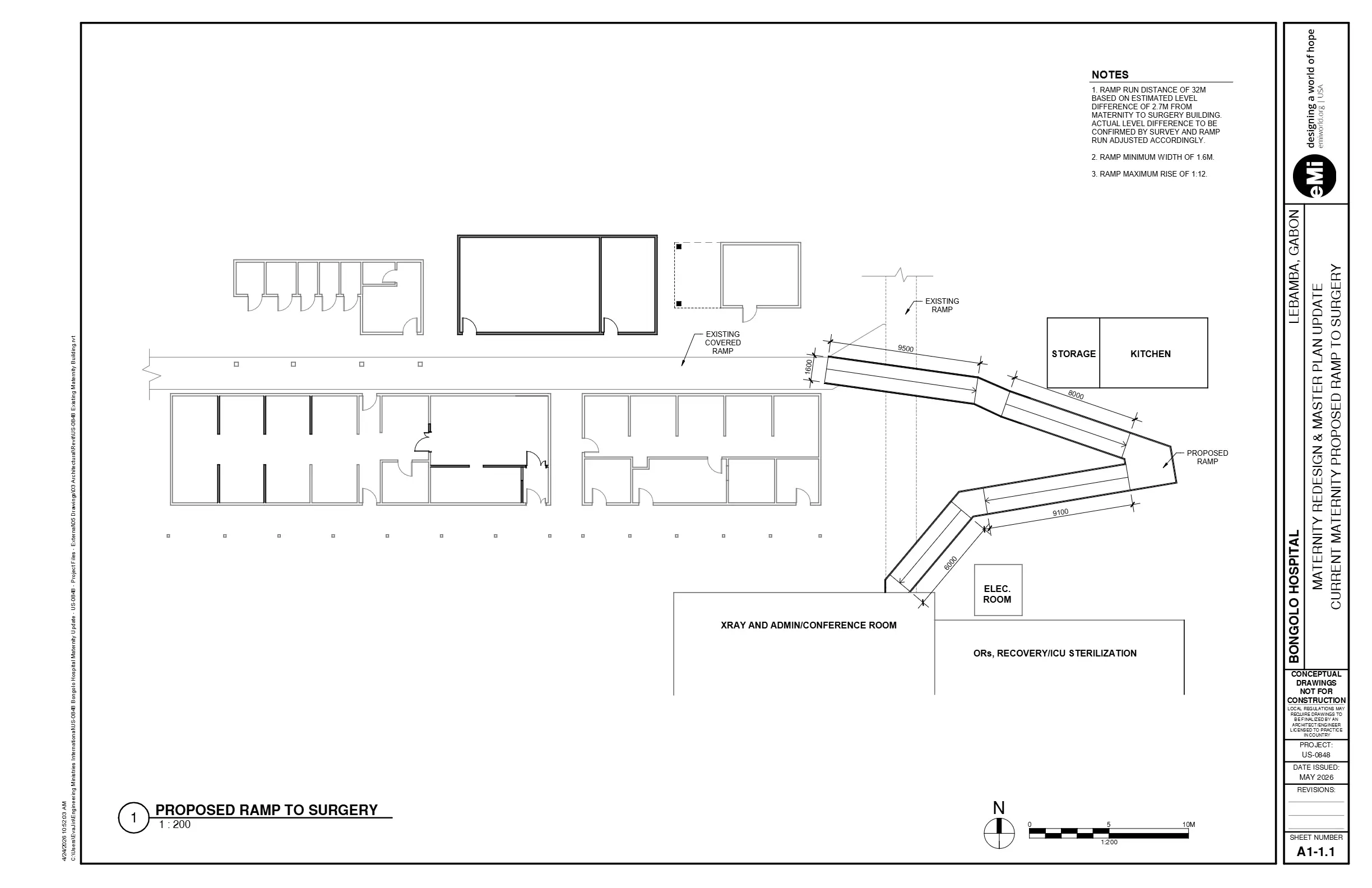
Ramp from Maternity to O.R.
The renovation proposal improves accessibility by replacing the existing steep maternity access ramp with an ADA-compliant design. A new NICU/Preemie building was also proposed to expand capacity, improve patient privacy, provide family and medical storage, and relocate maternity administrative functions while supporting better care for mothers and newborns.
Architecture Appendix (3 Conceptual Design)
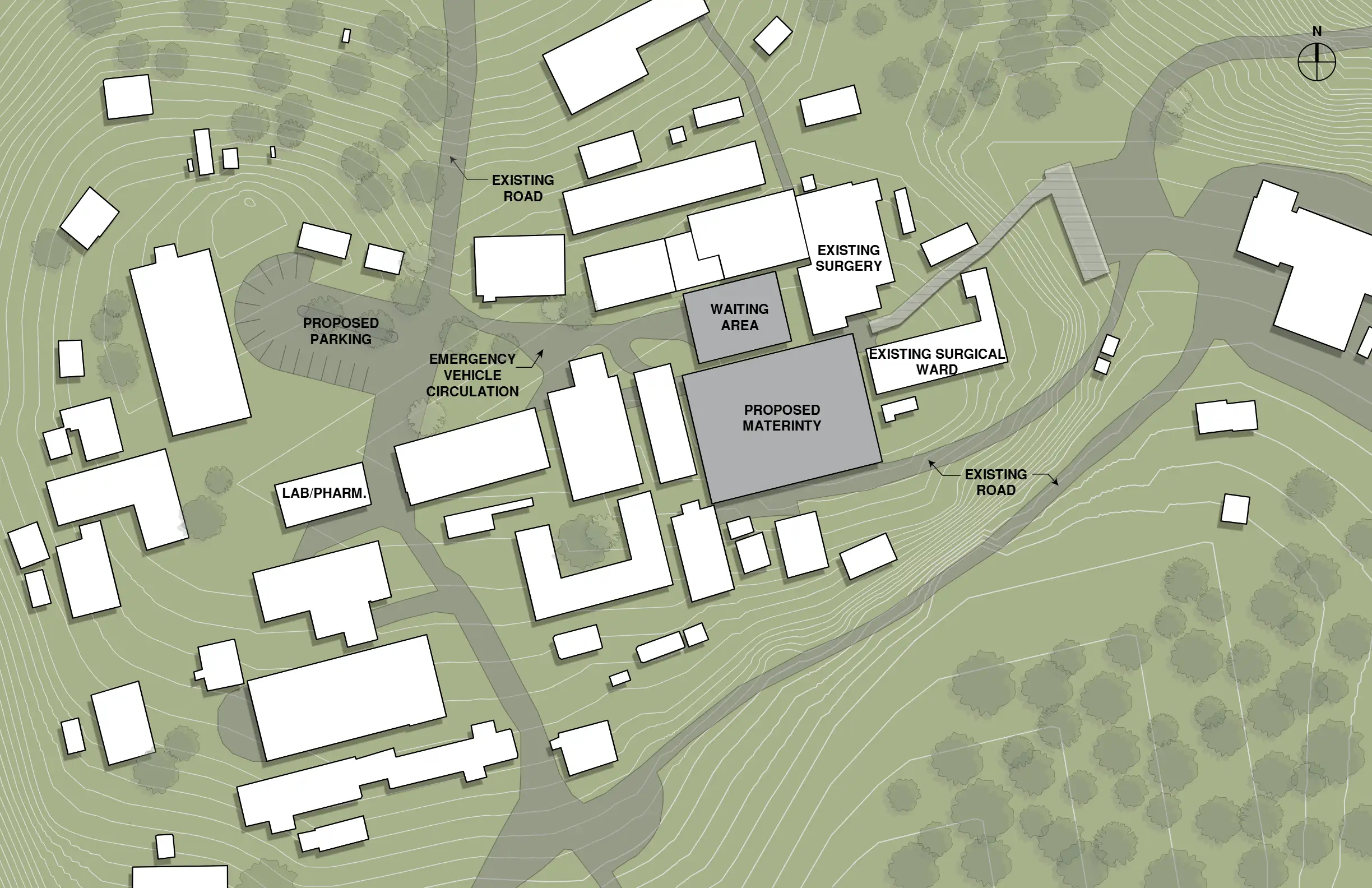
Upper Campus Masterplan-A
Option A explores adapting the 2022 maternity building design to the available site while maintaining critical clinical adjacencies. However, limited space results in circulation and access constraints, making the full program difficult to accommodate.
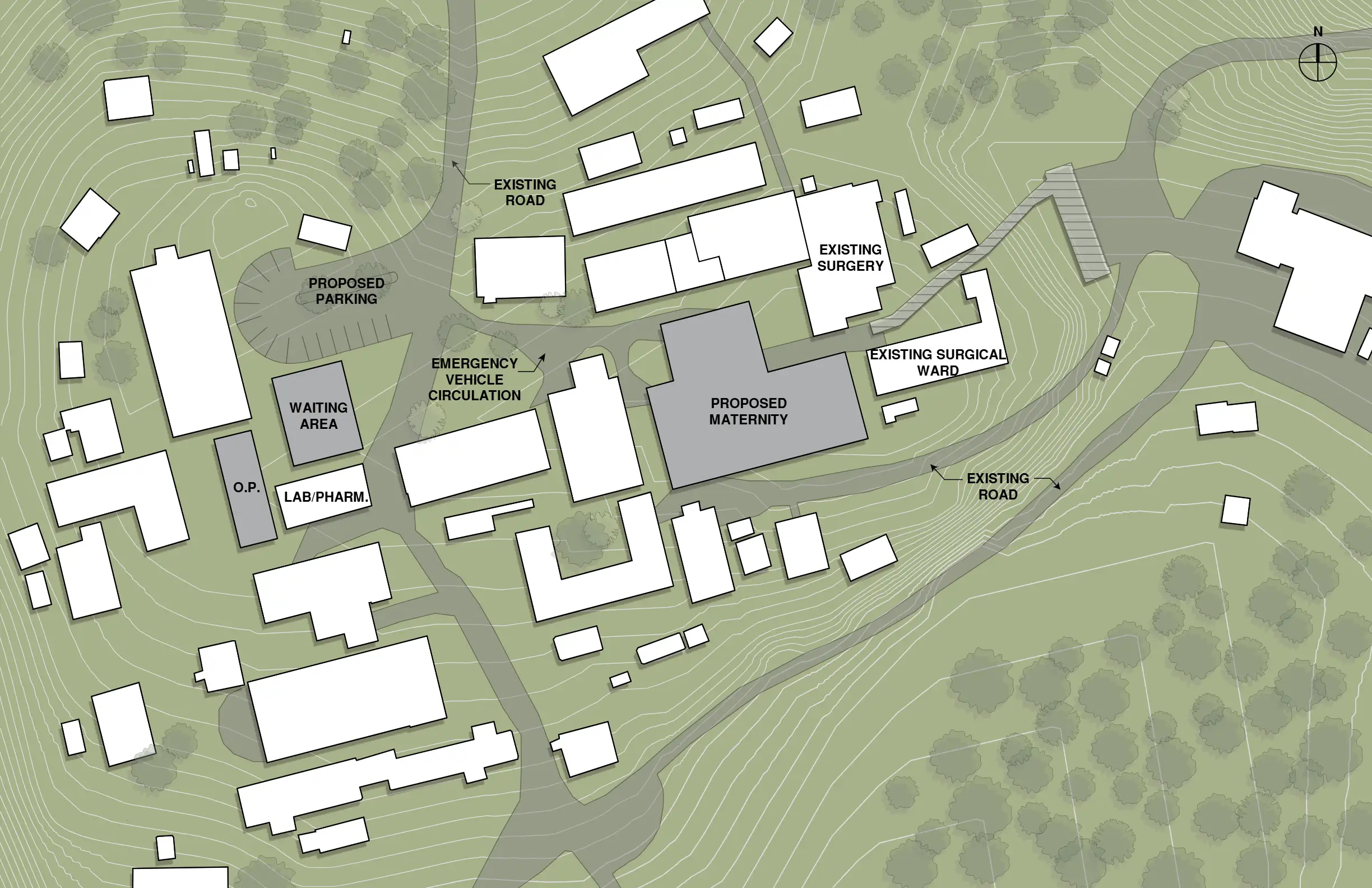
Upper Campus Masterplan - B
Option B proposes relocating outpatient services to accommodate the full maternity program while preserving site circulation. The design repurposes the historic nursing school, minimizes church-related conflicts, and creates shared parking for both hospital and church use.
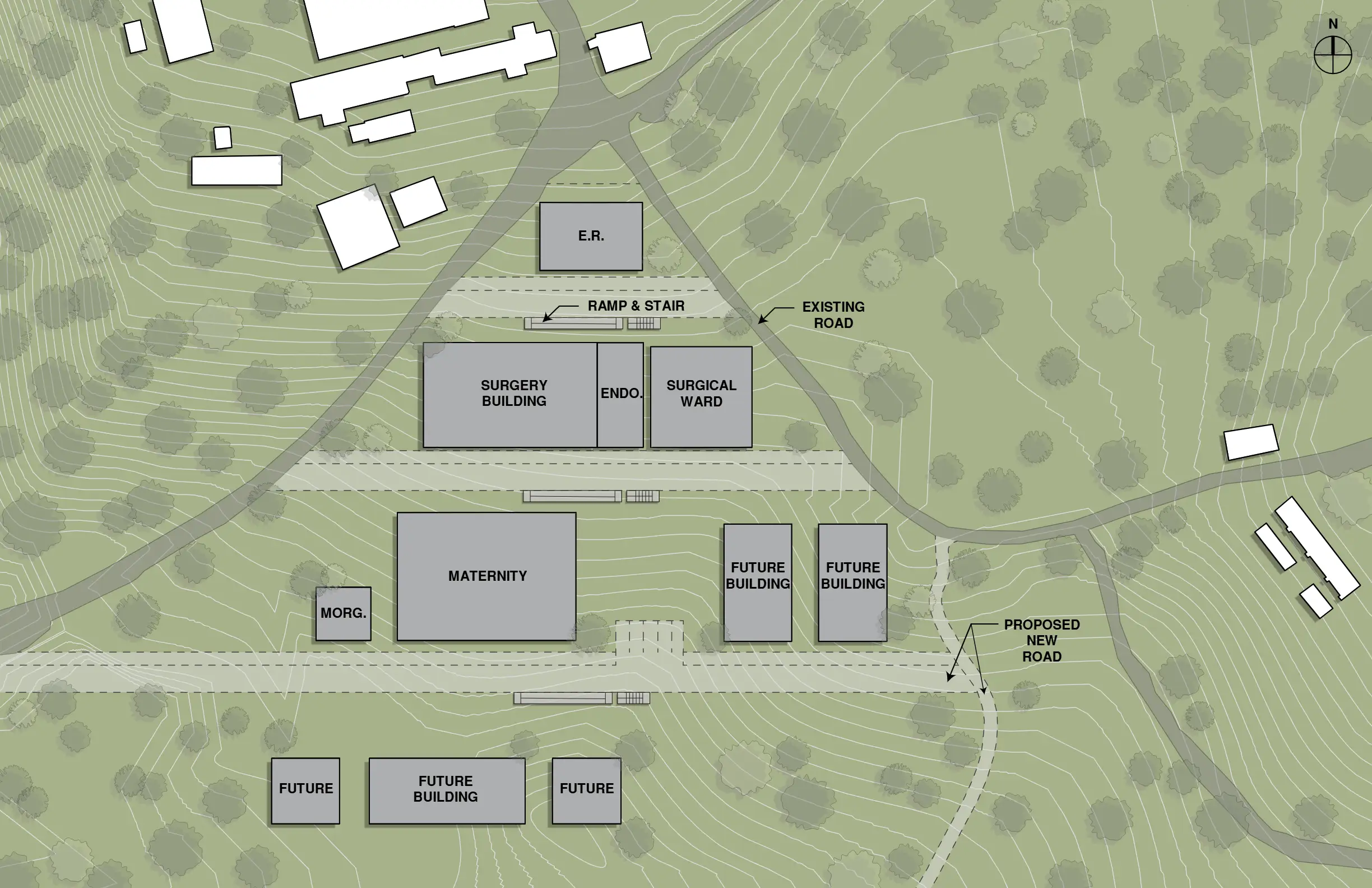
Critical Care Campus Masterplan
Critical Care Campus south of the hospital, relocating maternity and surgery alongside emergency and critical care services. The site supports future expansion but requires significant earthwork to address the steep topography.
Results
The project developed phased master planning and renovation strategies to improve maternity services at Bongolo Hospital while accommodating long-term funding constraints. The proposal evaluated multiple site options for a new maternity facility, recommended renovations to the existing buildings to enhance workflow and patient care, introduced an accessible entrance and a new NICU/Preemie building, and proposed campus-wide upgrades to building systems, infrastructure, and support spaces to improve safety, functionality, and future expansion.
Reflection
This experience broadened my understanding of architecture beyond design by exposing me to the interdisciplinary collaboration between architectural, civil, and electrical teams. Through site visits, documenting existing conditions, and analyzing topography, climate, and other site constraints, I learned how thoughtful design responds to real-world challenges. Working alongside experienced architects throughout the design process was an invaluable learning opportunity, and I hope to carry these lessons forward in my future architectural caree